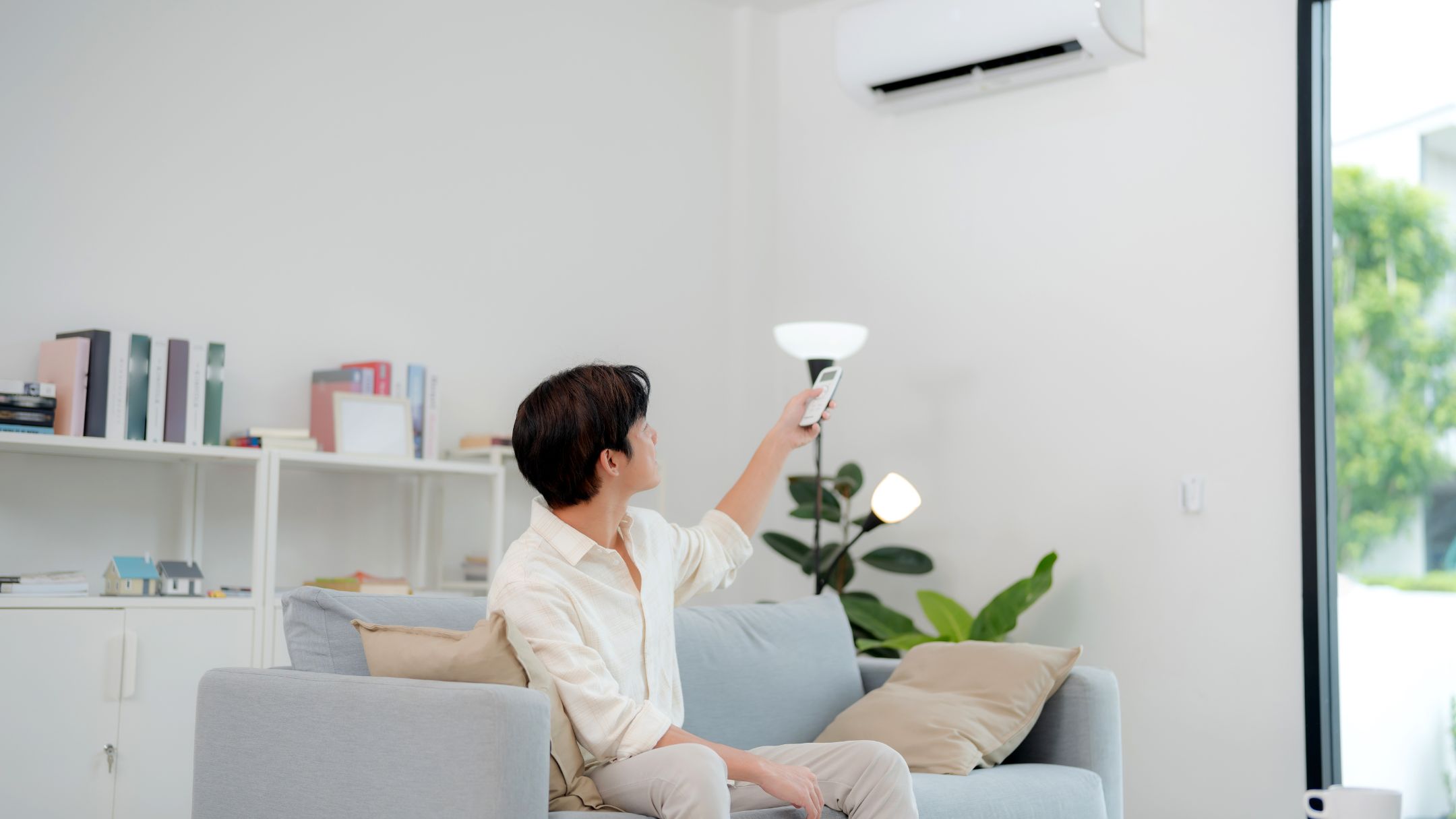
Gulf summer hydration indoors: Why air-conditioned living can leave you feeling dry, tired, and off-balance
If you spend most of a Gulf summer moving between a cool car, a refrigerated office, and an air-conditioned home, you might assume hydration is the least of your problems. You are not sweating visibly, and you are not standing in 45°C heat. Still, many people notice dry skin, headaches, low energy, or a foggy afternoon slump. Gulf summer hydration indoors is a real issue, and the culprit is often the very air conditioning that makes the season bearable.
This guide explains why it happens, how to tell the difference between feeling dry and being dehydrated, and how to build a summer wellness routine that fits everyday life in a hot climate.
What air conditioning actually does to the air — and your body
Air conditioners do more than cool a room. They also remove moisture from the air. That drier indoor environment can feel refreshing, especially in peak summer, because it helps heat leave your skin more quickly. But the same dryness can also affect your skin, nose, throat, and overall comfort.
Spend eight or more hours in a heavily air-conditioned space and you may lose fluid through your breath and skin without noticing it. Unlike outdoor heat, where sweat makes the problem obvious, indoor fluid loss is easy to miss. Thirst is not always a reliable early signal either. By the time you feel truly thirsty, you may already be mildly under-hydrated.
Indoor humidity can drop quite low in Gulf homes and offices during summer, especially when the AC runs hard all day. General fluid guidance, such as the NHS recommendation of around 6–8 glasses of fluid per day, is a useful baseline, but it does not account for dry indoor air, long commutes between extreme temperatures, or diets that are low in water-rich foods.
The difference between feeling dry and being dehydrated
These two things are related, but they are not the same.
Feeling dry — chapped lips, tight skin, irritated eyes, or a scratchy throat — is often a direct response to low-humidity air. It can happen even when you are drinking enough, because moisture is being pulled from surface tissues faster than your body replaces it. A bedroom humidifier, or simply setting the AC a little less cold, may help with comfort without changing your fluid intake.
Dehydration is a broader fluid deficit. It means your body does not have enough water to carry out normal functions efficiently. Mild dehydration, often described as a loss of around 1–2% of body weight in fluids, can affect concentration, energy, and headache frequency. More noticeable dehydration may bring dark urine, dizziness, and a clear drop in physical or mental performance.
The tricky part is that both can happen at once. In an AC-heavy routine, mild dehydration can become a background state rather than an obvious event you notice and correct.
Why indoor routines make people forget to drink
Hydration is mostly habit-driven. When you are outdoors in heat, your body gives you strong cues to drink. When you are at a desk in a cool room, focused on work or a screen, hours can pass without a glass of water. There is less sweat, less sun, and fewer reminders.
Caffeine can add to the problem. Many people in the Gulf start the day with coffee and keep going with more throughout the morning. Caffeine has a mild diuretic effect, although regular coffee drinkers usually develop some tolerance. Even so, if your morning is two coffees and no water, and you stay in an AC office until lunch, you may be starting the day behind on fluids.
Meals matter too. A diet that leans heavily on takeaway or processed food is often lower in water-rich fruits and vegetables. Traditional Gulf meals may include soups, salads, and fresh produce, but weekday routines do not always look that balanced.
Gulf summer hydration indoors: a practical daily framework
There is no single perfect amount of water for everyone. Body size, activity level, diet, and the amount of time you spend in air conditioning all matter. A better approach than chasing one fixed number is to build hydration into the shape of your day.
Start before you feel thirsty
Keep a glass or bottle of water by your bed and drink it before you reach for your phone or head to the shower. This simple habit can make a noticeable difference by mid-morning. It does not need to be a large amount — 250–300ml is enough to get started.
Attach water to habits you already have
Pair water with routines you already follow: a glass before each meal, a refill every time you make coffee, or a drink each time you stand up from your desk. The goal is to make hydration automatic instead of relying on willpower.
Eat your water
Cucumber, tomatoes, watermelon, yoghurt, oranges, and similar foods all contribute to daily fluid intake. A lunch that includes salad and fruit is doing more than supporting nutrition — it is also helping with hydration.
Think about electrolytes, but keep it simple
Electrolytes — mainly sodium, potassium, and magnesium — help your body use water effectively. For most people eating a balanced diet, food provides enough. But if you are sweating during commutes or errands, skipping meals, or feeling crampy and tired despite drinking water, it may be worth paying attention to electrolytes in hot weather.
You do not need a sports drink to address this. A pinch of salt in water, coconut water, or a snack with potassium, such as a banana, some nuts, or a few dates, may be enough. Dedicated electrolyte supplements can be useful for some people during very active periods or fasting windows, but they are not a daily necessity for most.
Energy, fatigue, and the nutrient conversation
If you are consistently tired despite sleeping enough and drinking enough water, hydration may not be the whole story. Fatigue is common, and it usually has more than one cause.
In the Gulf region, vitamin D deficiency is worth keeping in mind. The paradox is real: even in a sunny climate, many residents spend much of the summer indoors and avoid outdoor exposure during the hottest hours. That means the skin makes very little vitamin D. Low vitamin D has been associated with fatigue and low mood, among other concerns. Our article on vitamin D deficiency signs and how much you actually need covers this in more detail.
Iron, B12, and other nutrients involved in energy production may also be relevant if fatigue persists. You can read more about the evidence on vitamins for energy and fatigue before reaching for supplements. It is a nuanced area, and not every tired person needs a pill.
Sleep and the AC factor
Sleep quality can take a quiet hit during Gulf summers. Rooms cooled too aggressively may wake you up, tighten muscles, or leave you sleeping lightly without quite knowing why. The ideal sleep temperature for most adults is often described as somewhere around 16–19°C, but comfort varies from person to person. A room that feels too cold can be just as disruptive as one that is too warm.
Dry air from the AC can also affect the throat and nasal passages overnight. Some people wake with a dry mouth or a mild headache that improves after drinking water, which suggests overnight fluid loss may be adding up. A bedroom humidifier, a glass of water before bed, and a moderate rather than freezing AC setting are all low-effort changes worth trying.
If poor sleep keeps showing up alongside fatigue and concentration problems, it may help to look at the bigger picture. Our supplement guide for stress, focus and poor sleep covers some of the lifestyle and nutrient factors involved.
Movement in summer: do not skip it entirely
It is tempting to stop exercising from June to September. That reaction makes sense, because stepping outside at peak heat can be unpleasant and unsafe. But complete inactivity for months at a time can add to the sluggishness that AC-heavy living already creates.
Indoor options — a gym, a home workout, or even walking in a large mall — help circulation, support sleep, and keep your routine from becoming too static. Even 20–30 minutes of moderate movement three or four times a week can make a real difference to how you feel.
If you exercise indoors, remember that fluid loss still happens even when sweat is less obvious. Drink before, during, and after — not just after.
Build a summer routine that fits your climate
Gulf summer hydration indoors is not a one-size-fits-all problem. The CarePlus quiz takes about five minutes and helps you spot where your routine may need support — whether that is hydration, sleep, energy, or nutrient balance. It is a practical starting point, not a prescription.
A simple indoor summer wellness routine
You do not need to overhaul your life. A few consistent habits are usually more effective than an elaborate plan you abandon by August.
-
Morning: Drink water before coffee. Eat a proper breakfast with protein and fruit rather than relying on caffeine alone.
-
Midday: Include vegetables or salad with lunch. Step outside briefly if it is safe to do so, but avoid peak sun between 11am and 3pm.
-
Afternoon: Keep water at your desk. If you feel flat, check whether you have eaten and drunk enough before reaching for another coffee.
-
Evening: Add light movement if you have been sedentary all day. Keep a steady bedtime. Set the AC to a moderate, not freezing, temperature.
-
Weekly: Check your urine colour. Pale yellow is the usual target. Dark yellow or amber is a sign to drink more. It is a simple hydration check that does not require an app.
If you want more structure around building a morning routine that actually sticks, our guide on how to build a morning wellness routine that sticks is worth bookmarking.
When to see a doctor
Most of what is covered here falls into everyday wellness territory: habits, comfort, and small adjustments. But some symptoms deserve a proper check-up rather than a lifestyle tweak.
See a doctor if you have persistent fatigue that does not improve with rest, regular dizziness or lightheadedness, muscle cramps that keep returning, frequent or severe headaches, or ongoing thirst even when you are drinking plenty of water. These symptoms can have several causes, including thyroid issues, blood sugar problems, iron deficiency, or kidney concerns, and a clinician can help sort that out.
Frequently Asked Questions
Can air conditioning make you dehydrated?
Yes, indirectly. Air conditioning lowers indoor humidity, which can increase the amount of moisture your body loses through your skin and breath. Because this happens without obvious sweating, it is easy to underestimate. Long hours in heavily air-conditioned spaces, especially without regular water intake, can contribute to mild dehydration.
How much water should I drink in a hot climate?
It depends on your size, activity level, diet, and how much time you spend in heat or AC. General guidelines often suggest around 2 litres of total fluid per day for women and 2.5 litres for men in temperate conditions, but hot climates can change that. A practical approach is to aim for pale yellow urine through the day. If it is consistently darker, you likely need more fluid.
What are signs of dehydration indoors?
Mild dehydration can show up as headache, fatigue, dry mouth, difficulty concentrating, or dark urine. These symptoms are easy to blame on stress, screen time, or poor sleep, which is why indoor dehydration often goes unnoticed. If you feel better after drinking water and eating, that is a useful clue.
Do electrolytes help in summer heat?
They can, especially if you are sweating more than usual, exercising, commuting on foot, fasting, or eating irregularly. For most people with a balanced diet, electrolyte supplements are not needed every day. Food sources such as salted nuts, dairy, bananas, and leafy greens are often enough. Electrolyte sachets or tablets can be reasonable during more active periods.