Vitamins Hair Skin Nails: What Your Body Is Actually Missing
If you’ve noticed your hair shedding more than usual, nails splitting, or skin looking dull despite good hydration, your body might be lacking key nutrients. The connection between vitamins hair skin nails health is clear, but understanding which vitamins truly support these areas is essential. Not all supplements address your specific needs, and generic multivitamins often fall short. This guide explores the essential vitamins for vibrant hair, skin, and nails, common deficiency signs, and how to identify what your body really needs.
Why Vitamins Matter for Hair, Skin and Nails
Your hair, skin, and nails are more than just surface features—they reflect your internal health. Made mostly of keratin, these tissues rely on a steady supply of vitamins and minerals to grow, repair, and stay strong. When your nutrient intake dips, these areas often show the first signs, as the body prioritizes vital organs over appearance.
That said, occasional changes don’t always mean a deficiency. But if you experience persistent shifts in hair texture, nail strength, or skin quality, it’s worth exploring your vitamin status rather than just masking symptoms.
Key Vitamins and Nutrients for Healthy Hair, Skin and Nails
Biotin (Vitamin B7)
Biotin supports the metabolism of amino and fatty acids, crucial for keratin production. Severe deficiency can cause hair thinning, brittle nails, and skin rashes. However, true biotin deficiency is rare with a balanced diet. Extra biotin often doesn’t yield dramatic improvements unless you’re deficient. Foods rich in biotin include eggs, almonds, sweet potatoes, and salmon.
Vitamin D
Vitamin D receptors in hair follicles link low levels to hair loss conditions like alopecia areata (source). It also promotes healthy skin cell turnover and reduces inflammation, benefiting conditions such as psoriasis. Deficiency is common, especially in low-sunlight regions or for those spending most time indoors.
Vitamin C
Essential for collagen synthesis, vitamin C helps maintain skin firmness and elasticity. A lack slows collagen production, leading to dull, sagging skin and slower healing. It also protects skin cells from oxidative damage caused by UV rays and pollution. For nails, vitamin C supports the connective tissue around the nail bed. Citrus fruits, kiwi, bell peppers, and broccoli are excellent sources.
Vitamin E
Vitamin E protects skin cell membranes from damage and works synergistically with vitamin C for enhanced antioxidant effects. Deficiency is rare but can cause dry, flaky skin. Rich sources include nuts, seeds, and plant oils.
Zinc
Vital for protein synthesis and cell division, zinc supports hair growth and nail formation. Low zinc levels are linked to hair loss, white spots on nails, and impaired skin healing. It also regulates oil gland activity, so deficiency may cause dry or acne-prone skin. Oysters, red meat, pumpkin seeds, and legumes provide good zinc sources.
Iron
Iron deficiency is widespread and often first shows as hair shedding. Low ferritin (stored iron) correlates with diffuse hair loss. Pale, brittle, spoon-shaped nails (koilonychia) can also indicate iron deficiency. Women of reproductive age are particularly at risk. Blood tests are the only reliable way to confirm iron status.
Omega-3 Fatty Acids
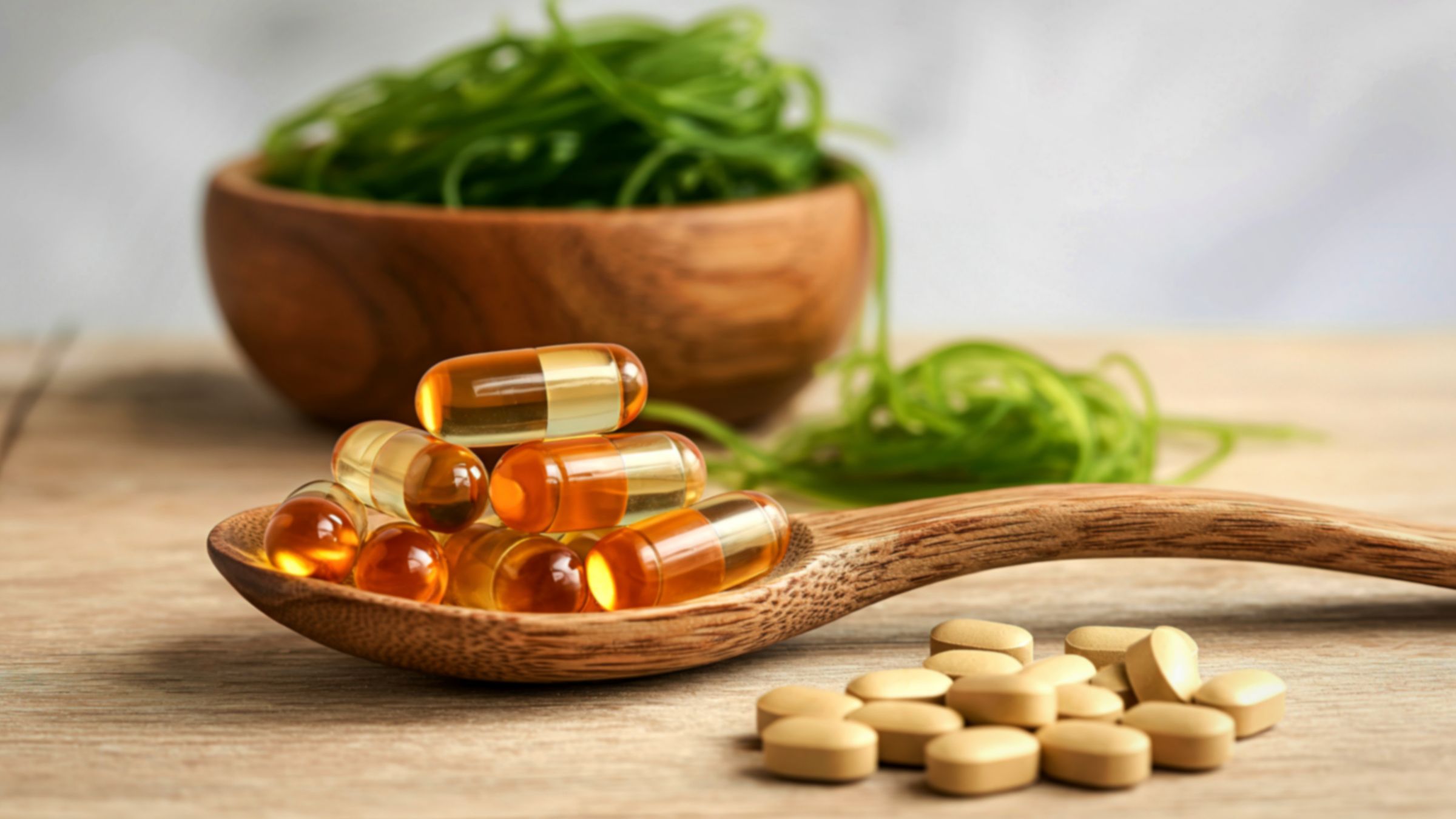
Though not vitamins, omega-3s are essential fats that maintain the skin’s lipid barrier, locking in moisture and keeping irritants out. They also reduce scalp inflammation, supporting hair density. Sources include oily fish, walnuts, flaxseed, and chia seeds. Fish oil or algae-based supplements are good options for those who don’t eat fish regularly.
Common Signs of Vitamin Deficiencies Affecting Appearance
Recognizing these signs can help you seek targeted advice:
- Excessive hair shedding or thinning: Linked to low iron, vitamin D, zinc, or biotin.
- Dry, dull, or flaky skin: May indicate low vitamin A, E, omega-3s, or vitamin C.
- Brittle or ridged nails: Often caused by low biotin, iron, zinc, or calcium.
- Slow-healing skin: Related to vitamin C and zinc deficiencies.
- Pale nail beds: A classic sign of iron deficiency anemia.
- Seborrheic dermatitis or scaly patches: Sometimes linked to riboflavin (B2), B6, or biotin insufficiency.
Because these symptoms overlap with other conditions, consulting a healthcare professional for proper testing is important.
How Diet and Lifestyle Affect Your Vitamin Levels
Your diet is the foundation of nutrient intake. Highly processed or restrictive diets can lead to micronutrient gaps. For example, vegans and vegetarians may be more prone to low iron, zinc, vitamin D, and omega-3 levels due to limited animal product consumption.
Lifestyle factors also play a role. Chronic stress elevates cortisol, disrupting hair growth and nutrient absorption. Poor sleep impairs cellular repair. Alcohol reduces absorption of B vitamins and zinc. Some medications can deplete nutrients over time.
If your diet and lifestyle seem balanced but symptoms persist, consider gut health and nutrient absorption. Women’s nutritional needs also shift through life stages—from reproductive years to perimenopause—which can affect hair, skin, and nails. For more, see our article on best vitamins for women at every life stage.
Supplementation: Getting It Right
Supplements are useful when diet alone can’t meet needs or to correct confirmed deficiencies. However, many products contain multiple nutrients at doses that may not suit your specific gaps, and some nutrients can interfere with each other’s absorption.
For example, high-dose iron can reduce zinc absorption, and calcium competes with magnesium. Understanding these interactions helps avoid unintended imbalances. Our guide on vitamins that should not be taken together covers key combinations to watch for.
Personalized supplementation plans, tailored to your unique needs, are more effective and safer than one-size-fits-all approaches. Also, avoid excessive doses of fat-soluble vitamins (A, D, E, K), which can accumulate to toxic levels. Whenever possible, base supplementation on blood test results rather than guesswork.
Not Sure What You’re Missing?
CarePlus creates personalized vitamin plans based on your health profile, lifestyle, and goals. The quick assessment provides clear, evidence-based recommendations—no guesswork needed.
Find your personalized vitamin plan for radiant hair, skin, and nails with CarePlus.
Start Your Free Assessment →
https://www.careplusgcc.com
Practical Tips for Maintaining Healthy Hair, Skin and Nails
Supplements fill gaps but work best alongside solid daily habits:
- Eat a variety of whole foods. Different fruits and vegetables provide diverse antioxidants and phytonutrients, reducing the risk of deficiencies.
- Prioritize protein. Hair and nails are mostly protein; adequate intake from meat, fish, eggs, legumes, or dairy supports keratin production.
- Protect your skin from UV damage. Sunscreen preserves collagen and prevents oxidative stress—no supplement replaces sun protection.
- Keep nails moisturized. Frequent wetting and drying can cause brittleness. Use cuticle oil or hand cream after washing.
- Manage stress. Chronic stress contributes to hair loss and skin inflammation. Prioritize sleep, movement, and relaxation.
- Be patient. Hair grows slowly; improvements typically take three to six months with consistent care.
When to See a Healthcare Professional
If you experience significant hair loss, persistent skin changes, or nail problems that don’t improve with diet and lifestyle changes, consult a GP. Conditions like thyroid disorders, autoimmune diseases, and hormonal imbalances can mimic vitamin deficiency symptoms but require different treatments.
A blood panel checking ferritin, vitamin D, thyroid function, and full blood count can clarify underlying causes. Avoid months of unnecessary supplementation or missing a treatable condition.
For more on targeted nutrition, see our article on why personalized vitamins work better than multivitamins.
Frequently Asked Questions
Which vitamins help improve hair growth?
Iron (especially ferritin), vitamin D, zinc, and biotin are key for hair growth. Iron and vitamin D deficiencies are common, treatable causes of hair loss. Biotin helps mainly if you’re deficient. Blood tests are the best first step for significant hair loss.
What causes brittle nails and how can I fix it?
Brittle nails often result from repeated water exposure, harsh chemicals, low iron, biotin deficiency, or dehydration. Trim nails, avoid prolonged wetting, and moisturize regularly. If brittle nails persist or show unusual colors, consult a GP to rule out underlying issues.
Can vitamin deficiencies affect skin health?
Yes. Vitamin C deficiency impairs collagen, vitamin D supports skin health and reduces inflammation, zinc affects acne and dryness, and omega-3s maintain the skin barrier. Persistent skin issues may indicate nutritional gaps worth investigating.
What foods support healthy skin and nails?
A balanced diet with oily fish, eggs, nuts, seeds, leafy greens, citrus fruits, colorful vegetables, and lean proteins covers most needs. Eggs provide biotin and zinc; oily fish offers vitamin D and omega-3s; leafy greens supply vitamin C and iron; nuts and seeds add vitamin E and zinc. Variety is key.
Are vitamin supplements necessary for hair and skin?
Not always. If your diet is varied and blood tests are normal, supplements may not noticeably improve hair or skin. They’re more useful for confirmed deficiencies, dietary restrictions, or increased needs like pregnancy. Vitamin D supplementation is commonly recommended in low-sunlight areas.
- Disclaimer: This article is for informational purposes only and does not replace medical advice. CarePlus does not diagnose or treat medical conditions. Always consult a healthcare professional before starting supplements, especially if you have health concerns or take medications.
- Written by the CarePlus Editorial Team. CarePlus is a personalized wellness platform helping you make informed nutrition and supplement choices.