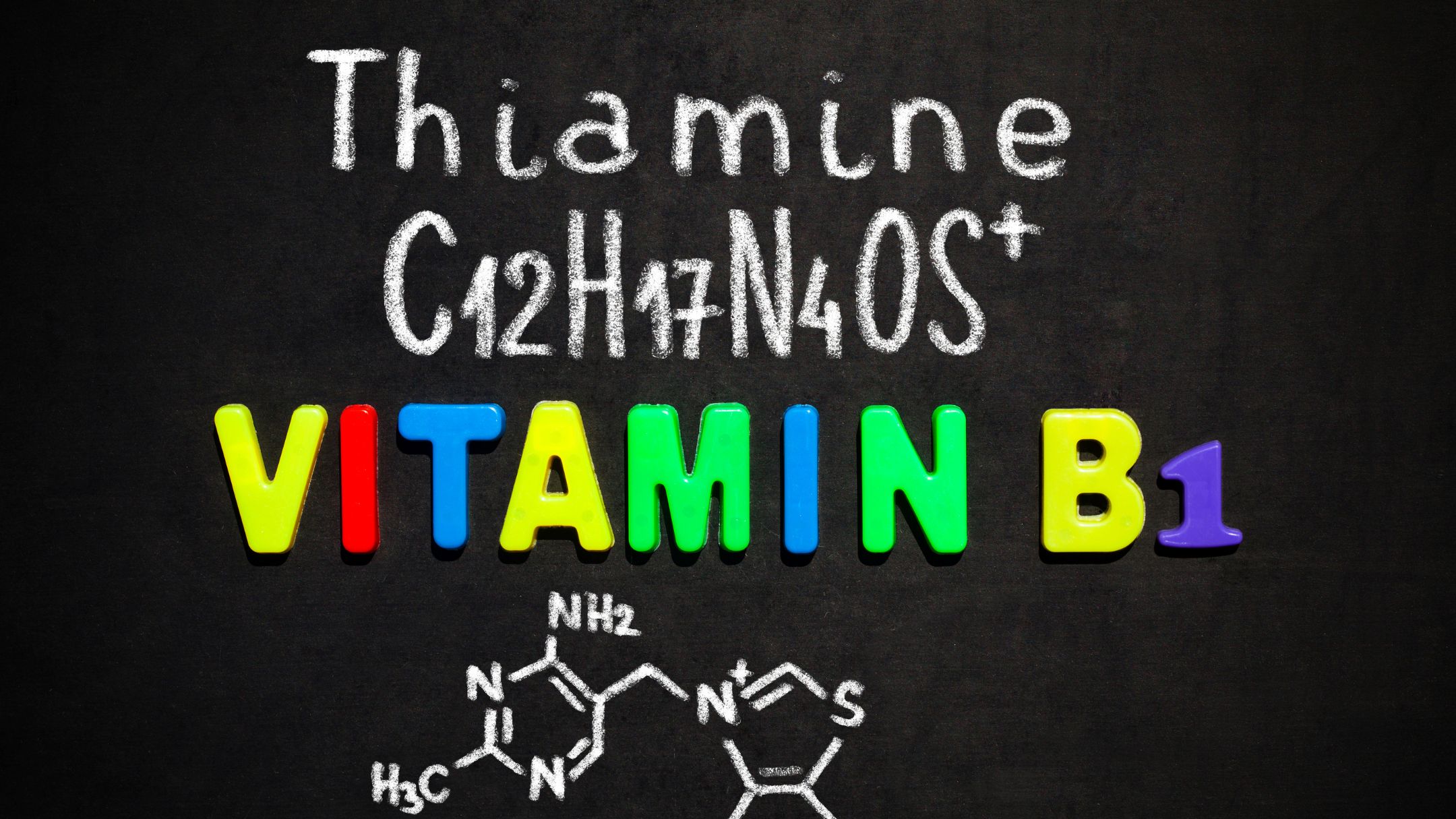
Thiamine benefits: why vitamin B1 matters more than most people think
When people search for thiamine benefits, they’re usually trying to make sense of fatigue, low appetite, brain fog, or the feeling that their body just isn’t running smoothly. Thiamine, also called vitamin B1, is one of those nutrients that rarely gets much attention until something starts to go wrong. It plays a basic role in energy production, nerve function, and metabolism, which is why low levels can show up in ways that are easy to miss.
This article breaks down what thiamine does, who may be at risk of deficiency, how to get more from food, and where supplements fit in. It’s not a cure-all for tiredness, and it shouldn’t be treated like one. But if you’re trying to understand vitamin B1 and whether it belongs on your radar, the details matter.
What thiamine is and what it actually does
Thiamine is a water-soluble B vitamin. Your body does not store large amounts of it, so you need a regular intake from food. Once absorbed, thiamine helps enzymes turn carbohydrates into usable energy. That’s the short version, but it’s an important one: without enough thiamine, the body has a harder time converting the food you eat into fuel.
That’s why thiamine often comes up in discussions about B vitamins and energy. It’s not that thiamine is a stimulant or a quick fix. It’s that energy production depends on a chain of nutrients and enzymes, and B1 is part of that chain.
Thiamine also supports the nervous system. Nerves need energy to send signals properly, and thiamine helps keep those processes working. The brain, heart, muscles, and digestive system can all be affected when intake is too low for too long.
Thiamine benefits for energy, nerves, and metabolism
The most talked-about thiamine benefits tend to fall into three areas: energy metabolism, nerve health, and overall cellular function. Here’s what that means in practical terms.
1) Energy metabolism
Thiamine helps enzymes involved in carbohydrate metabolism do their job. If you eat a meal with carbs, thiamine is part of the process that helps your body turn that food into energy your cells can use. This is one reason low thiamine can feel like a general drop in stamina rather than a single dramatic symptom.
2) Nerve support
Your nerves rely on a steady supply of energy to transmit signals. When thiamine is too low, nerve-related symptoms can appear, including tingling, numbness, weakness, or coordination problems. These symptoms can have many causes, which is why they should not be assumed to be a vitamin issue without proper evaluation.
3) Whole-body function
Because thiamine is involved in several core metabolic pathways, deficiency can affect more than one system at once. That’s one reason it can be overlooked. A person may notice tiredness, digestive changes, and nerve symptoms separately, without connecting them to the same nutrient gap.
If you’re comparing thiamine with other B vitamins, it can help to read broader context too. Our guide on vitamins for energy and fatigue explains what actually supports energy levels and what doesn’t.
Why thiamine deficiency can be missed
Thiamine deficiency does not always announce itself clearly. Early signs can look like ordinary stress, poor sleep, overwork, or a vague sense of low energy. That makes it easy to ignore until symptoms become more noticeable.
Another reason it gets missed is that blood tests do not always catch the full picture, and symptoms can overlap with other conditions. Low thiamine may cause fatigue, irritability, poor concentration, appetite changes, constipation, or nerve symptoms. In more serious cases, it can affect the heart or nervous system.
It’s also worth saying plainly: fatigue has many causes. Iron deficiency, thyroid problems, sleep disorders, mood changes, infections, medication side effects, and under-eating can all play a role. Thiamine may be part of the answer, but it should not be treated as the answer by default.
Signs of low thiamine to watch for
The symptoms of low thiamine vary depending on how severe the deficiency is and how long it has been developing. Some of the more common warning signs include:
- Ongoing tiredness or low stamina
- Poor appetite or unexplained weight loss
- Irritability or difficulty concentrating
- Tingling, numbness, or burning sensations in the hands or feet
- Muscle weakness or unsteadiness
- Digestive discomfort or constipation
- Fast heart rate or shortness of breath in more serious cases
These symptoms are not specific to thiamine deficiency, but they are worth discussing with a clinician if they persist. If nerve symptoms, heart symptoms, confusion, or severe weakness appear, that needs medical attention.
For a closer look at similar nutrient issues, our article on vitamin B6 benefits and deficiency explains how another B vitamin can affect nerves, mood, and metabolism.
Who may be at risk for low thiamine
Most people who eat a varied diet get enough thiamine. Still, certain patterns and health conditions can increase the risk of deficiency.
Diet patterns
People who rely heavily on highly refined grains and processed foods may miss out on thiamine-rich options. Very restrictive diets, poor intake overall, or eating disorders can also raise the risk. Since thiamine is water-soluble and not stored in large amounts, long periods of low intake matter.
Alcohol use
Alcohol can interfere with thiamine absorption, storage, and use. This is one of the best-known risk factors for deficiency. The issue is not just intake; it’s also how alcohol affects the body’s ability to handle the vitamin.
Certain health conditions
Digestive conditions that affect absorption, such as some forms of inflammatory bowel disease or chronic vomiting, may lower thiamine status. People who have undergone bariatric surgery may also need closer monitoring. Increased needs can occur during illness, pregnancy, or high physical stress, though that does not automatically mean deficiency is present.
For a broader look at another B vitamin with overlapping nutrition concerns, see our guide to riboflavin (B2).
Best food sources of thiamine
Food is the best place to start. A balanced diet usually covers thiamine needs, especially when it includes a mix of whole grains, legumes, nuts, seeds, and animal foods.
Common B1 foods include:
- Whole grains and fortified cereals
- Pork
- Beans and lentils
- Sunflower seeds
- Peas
- Nuts
- Some enriched grain products
Cooking and food processing can reduce thiamine content, so heavily refined diets may provide less than people expect. Fortified foods can help, but they should complement, not replace, a varied diet.
For an evidence-based public-health overview of thiamine, the NHS vitamin B guide is a useful reference.
When a thiamine supplement may help
A thiamine supplement may be worth discussing if you have a known deficiency, a clear risk factor, or symptoms that your clinician suspects could be related to low B1. In those cases, supplementation is sometimes used alongside dietary changes or treatment for an underlying cause.
Supplement form and dose matter. More is not always better, and taking a supplement without knowing why you need it can make it harder to spot the real issue. If fatigue is the main concern, a clinician may also look for iron deficiency, sleep problems, thyroid issues, or other nutrient gaps before recommending anything.
Thiamine is generally considered safe at typical supplement doses, but that does not mean it’s appropriate for everyone. If you have ongoing symptoms, take prescription medication, or have a condition affecting absorption, talk to a healthcare professional first.
Need help sorting through energy-related supplements?
If you’re comparing B vitamins for energy support, read our related guides or speak with a clinician about ongoing fatigue. You can also start with the CarePlus quiz, which takes about 5 minutes, to help narrow down what may be worth discussing next.
When fatigue or nerve symptoms need medical evaluation
It’s reasonable to look at nutrition when energy is low. It’s not reasonable to assume every tired day is a vitamin issue. If fatigue is persistent, worsening, or paired with symptoms such as numbness, weakness, palpitations, confusion, or unintentional weight loss, it should be checked properly.
That’s especially important if you have risk factors for deficiency, such as heavy alcohol use, digestive disease, poor intake, or recent surgery. A clinician can help determine whether thiamine is part of the picture or whether something else needs attention first.
For readers who want a broader framework, our article on vitamins for energy and fatigue is a good next step. It helps separate useful nutrition support from the kind of supplement advice that overpromises.
Practical ways to get more thiamine
Most people do best by making small, realistic food changes rather than chasing a single supplement. A few simple ways to add thiamine include choosing fortified breakfast cereal, swapping in whole grains more often, adding lentils or beans to soups and salads, and including nuts or seeds as snacks.
If you’re rebuilding your diet after a period of low intake, the goal is consistency, not perfection. Regular meals with a mix of protein, carbohydrate, and nutrient-dense foods are more useful than focusing on one vitamin in isolation.
That approach also fits how B vitamins work together. Thiamine is important on its own, but it rarely acts alone. Riboflavin, B6, folate, and other nutrients all play roles in energy metabolism too. That’s why a careful, personalized review often makes more sense than guessing.
FAQ
What does thiamine do in the body?
Thiamine helps enzymes convert food, especially carbohydrates, into usable energy. It also supports nerve function and contributes to normal metabolism. Without enough thiamine, several systems can start to work less efficiently.
What are the signs of thiamine deficiency?
Common signs can include fatigue, poor appetite, irritability, tingling or numbness, weakness, unsteadiness, and digestive changes. More severe deficiency can affect the heart or brain. Because these symptoms overlap with many conditions, they should be assessed by a clinician.
Who is at risk for low thiamine?
People with heavy alcohol use, poor dietary intake, certain digestive conditions, eating disorders, or a history of bariatric surgery may be at higher risk. Some illnesses and periods of high physical stress can also increase needs.
Can thiamine supplements help with fatigue?
They may help if fatigue is related to a true thiamine deficiency or a situation where thiamine needs are higher than intake can cover. But thiamine is not a general fix for tiredness. Persistent fatigue deserves a proper medical review.
Author: CarePlus Editorial Team