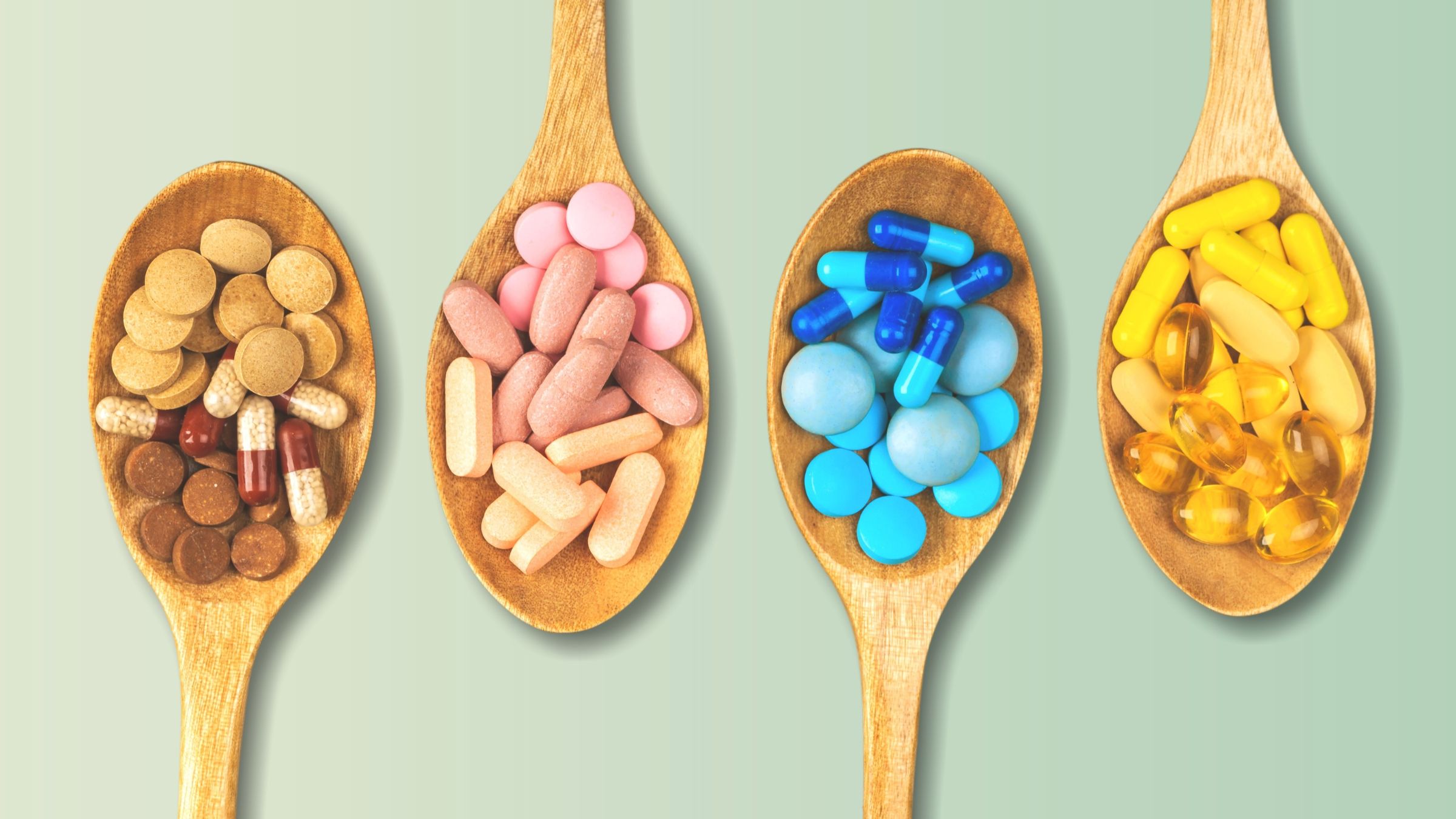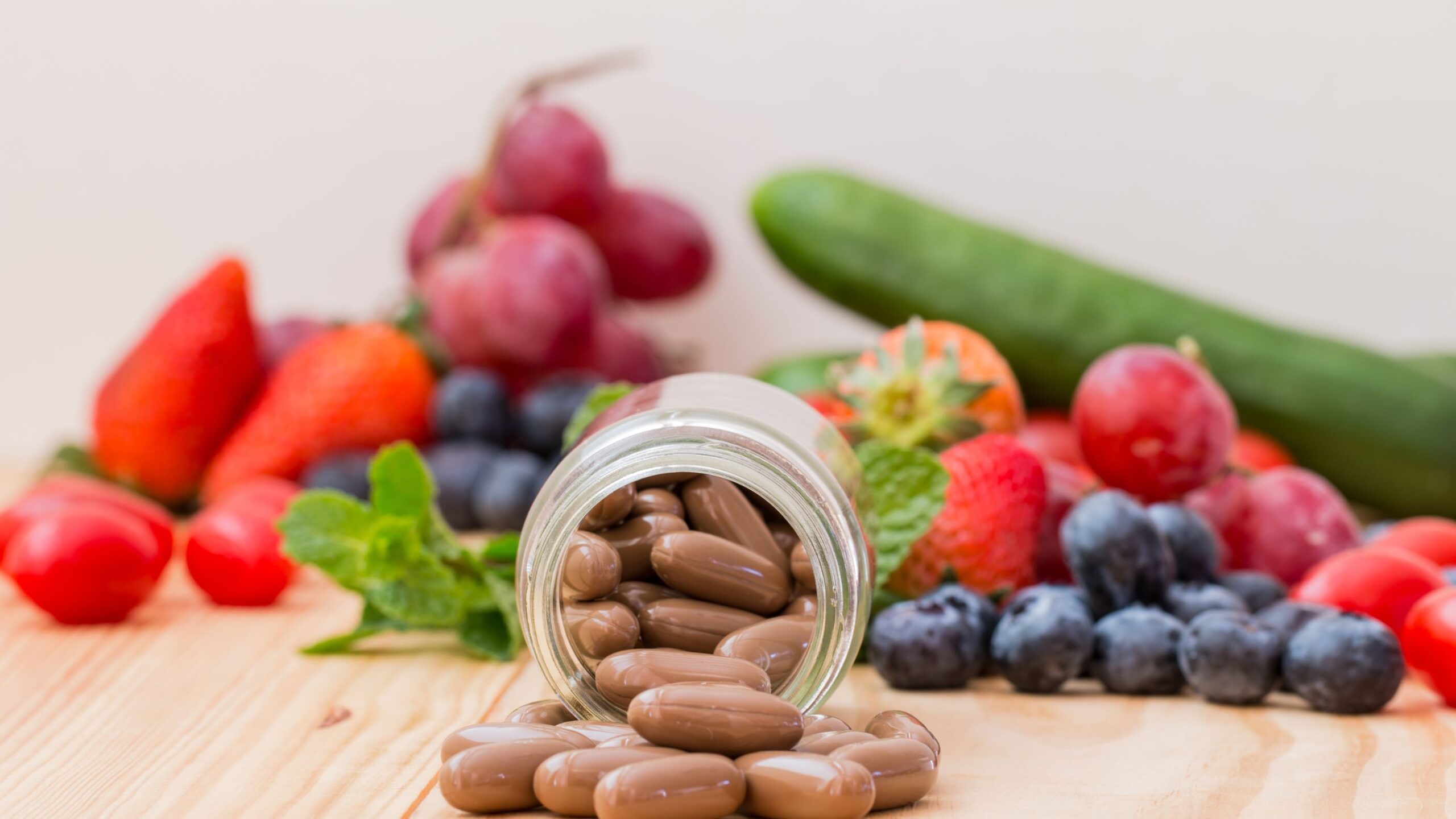
Why diet based supplement personalization starts with what’s already on your plate
Most supplement advice skips the most important question: what do you actually eat? Before anyone can tell you whether you need magnesium, vitamin D, or omega-3s, they need a clear picture of your meals, routines, and restrictions. Diet based supplement personalization starts there because it’s the only way to separate real nutrient gaps from assumptions. Without that baseline, you’re not personalizing anything — you’re just choosing from a generic list and hoping it fits.
This article explains why food intake has to come first, how different eating patterns shape nutrient gaps and redundancy, and what a genuinely food-first approach to supplementation looks like in practice.
Food is the baseline, not an afterthought
Supplements exist to fill gaps. But a gap only makes sense relative to something, and that something is your diet. If your eating habits already provide enough of a nutrient, adding more doesn’t make the plan smarter — it can simply create unnecessary overlap. In some cases, especially with fat-soluble vitamins like A and D, consistently going beyond your needs can cause problems rather than prevent them.
Public health guidance in the UK is broadly food-first: most people can meet their nutrient needs through a varied, balanced diet, with a few common exceptions such as vitamin D in autumn and winter, or folic acid during pregnancy. That’s a sensible starting point. Supplements should support a diet, not replace the thinking behind it.
Practically speaking, a supplement plan built without reference to diet is guesswork. Two people can describe the same vague concern — fatigue, low mood, poor sleep — and end up with the same stack of capsules. But if one eats oily fish several times a week and the other rarely does, their omega-3 status is very different. The same is true across most nutrients.
How eating patterns shape nutrient gaps
Different dietary patterns create different nutrient profiles. That’s one of the main reasons diet and supplements should be considered together rather than separately. Understanding those patterns is central to a personalized supplement plan.
Plant-based and vegan diets
People eating entirely or mostly plant-based diets often need closer attention to vitamin B12, iron, zinc, calcium, iodine, and long-chain omega-3 fatty acids such as EPA and DHA. That doesn’t mean plant-based eating is inherently inadequate. It means these are the nutrients most likely to need a closer look. B12 is the clearest example: it’s not reliably available from plant foods, which is why supplementation is commonly recommended for vegans.
Reference values from bodies such as the European Food Safety Authority help define these needs, but they don’t mean every person on a plant-based diet needs every possible supplement. They simply point to the areas where a targeted conversation makes sense.
Omnivorous diets with low variety
Eating meat does not guarantee nutritional adequacy. Someone relying on processed foods, bread, and packaged meals may still be low in fibre, vitamin C, folate, magnesium, and potassium. These nutrients are found in vegetables, legumes, fruit, and whole grains. If those foods rarely appear on the plate, the gap is real whether or not the diet includes animal products.
Restrictive or elimination diets
People managing allergies, intolerances, or conditions like coeliac disease often avoid entire food groups that would otherwise provide important nutrients. Someone avoiding dairy may be getting less calcium and iodine than they realise, especially if they are not replacing those foods consistently. Someone with coeliac disease may also struggle with absorption of iron, folate, and B vitamins if the gut has been affected.
Calorie-restricted eating
When overall food intake drops — whether through deliberate dieting, appetite loss, or another reason — micronutrient intake often falls too. Very low-calorie eating patterns can make it harder to meet requirements for several vitamins and minerals, even when the foods chosen are relatively nutrient-dense. In those cases, supplementation may be genuinely useful rather than redundant.
Absorption matters as much as intake
It’s not only about what you eat. It’s also about what your body can absorb from it. Diet composition affects bioavailability in ways that are easy to miss. Iron from plant foods is absorbed less efficiently than iron from meat, and that absorption changes depending on what else is in the meal. Vitamin C can improve non-haem iron absorption, while calcium and polyphenols can reduce it.
Fat-soluble vitamins — A, D, E, and K — are also absorbed more efficiently when taken with dietary fat. Someone taking vitamin D with water on an empty stomach may absorb less than someone taking the same dose with a meal that contains fat. These details matter because they affect whether a supplement is likely to be useful in the real world.
A food-first approach to personalization takes those interactions into account. That’s why meal composition matters, not just nutrient labels, when building a sensible supplement plan.
Redundancy is a real problem
One of the most overlooked issues with generic supplement recommendations is redundancy. Many people already get enough of certain nutrients from food, then add supplements because those nutrients appear on a popular wellness list.
Vitamin C is a simple example. Most adults eating even a moderately varied diet with some fruit and vegetables are not vitamin C deficient. Adding a high-dose supplement usually doesn’t provide extra benefit in that context. The body absorbs what it needs, and the rest is excreted. The result is often wasted money, and in some cases, unnecessary overuse of nutrients that should not be taken casually.
A well-designed personalized supplement plan identifies redundancy as clearly as it identifies gaps. That’s what makes the diet-first framework useful rather than just a marketing phrase. For a broader look at why this approach often outperforms generic multi-nutrient formulas, see our piece on why personalized vitamins work better than multivitamins.
The practical inputs that actually matter
When building a supplement plan around diet, the most useful inputs are usually simpler than people expect. You do not need to track every meal or calculate micronutrients to the last milligram. What matters is a realistic picture of your eating habits.
-
Dietary pattern: Are you omnivorous, vegetarian, vegan, or following a specific elimination approach?
-
Frequency of key food groups: How often do you eat oily fish, dairy, red meat, leafy greens, legumes, eggs, or fortified foods?
-
Restrictions and intolerances: Are there whole categories of food you avoid entirely?
-
Meal routine: Do you eat regularly, or do you often skip meals? Is your intake consistent across the week?
-
Cooking and preparation: Do you mainly eat home-cooked food, or do you rely heavily on processed or takeaway meals?
These inputs are not exhaustive, but they are enough to distinguish one person’s nutritional baseline from another’s. Combined with health goals, lifestyle, and life stage, they create a foundation for a plan that is actually tailored.
When food alone may be enough
For some people, a varied diet really does cover most nutritional needs, and no supplement is necessary. That is not a failure of supplementation — it is the correct outcome of a food-first assessment. If you eat across multiple food groups, have no major restrictions or absorption issues, and get reasonable sun exposure for part of the year, you may have very few meaningful gaps.
There are also widely recognised situations where supplementation makes sense even for people who eat well. Vitamin D is the clearest example in the UK and other northern latitudes, where sunlight exposure is limited for much of the year and food alone rarely fills the gap. Folic acid before and during early pregnancy is another well-established recommendation that applies regardless of diet quality. These are standard public health positions, not controversial claims.
The honest answer to “Do I need supplements?” is usually: it depends on what you eat and your individual circumstances. That is not a dodge — it is the most accurate answer. For more on how to think through that question, our guide to figuring out what vitamins you should take covers the key considerations in plain language.
Build your plan around what you actually eat
The CarePlus quiz takes about 5 minutes and asks the questions that matter — including what your diet actually looks like. Instead of handing you a generic supplement list, it uses your real eating habits, health goals, and lifestyle to identify where a supplement conversation makes sense and where it doesn’t.
Take the CarePlus quiz to build a supplement plan around your real diet →
Connecting diet-first thinking to personalized supplement selection
The reason a quiz-based or guided approach to supplement selection can work well is that it can incorporate dietary context systematically. Instead of asking people to self-diagnose their gaps — something most of us are not equipped to do accurately — a structured set of questions about eating habits, restrictions, lifestyle, and health goals can reveal the patterns that matter.
That is very different from a generic supplement quiz that asks about symptoms and then recommends a product. The diet component is what makes the personalization real. Someone who says “I feel tired a lot” could have many possible explanations. Someone who says “I feel tired a lot, I’ve been vegan for three years, and I don’t take B12” gives you information that actually narrows the picture.
The research on whether personalized supplementation leads to better outcomes than generic approaches is still developing, but the logic is sound: targeting likely gaps based on real dietary patterns is more rational than supplementing broadly and hoping something is relevant. We look at the current evidence in more detail in our article on whether personalized supplements actually work.
The quiz-based model works best when the questions are genuinely informative — when they ask about dietary frequency, food group coverage, and eating patterns rather than vague lifestyle buzzwords. If you’re curious about how the CarePlus approach is structured, this breakdown of what the CarePlus vitamin quiz actually does explains the reasoning behind each section.
A note on medical advice and individual needs
It’s important to be clear about what diet based supplement personalization can and cannot do. A quiz or guided tool can identify likely nutrient gaps based on dietary patterns and flag areas worth discussing with a healthcare professional. It cannot diagnose deficiencies, replace blood testing where that is clinically appropriate, or substitute for medical advice when someone has a condition affecting nutrient absorption or metabolism.
If you have coeliac disease, inflammatory bowel disease, type 2 diabetes, or you take medications known to affect certain nutrients, that context matters a great deal — and a conversation with your GP or a registered dietitian is the right starting point, not a consumer quiz. For most generally healthy adults without specific medical concerns, a food-first, diet-informed approach to supplementation is a sensible and practical framework.
Frequently asked questions
Why should a supplement plan start with diet?
Because supplements are designed to fill gaps, and gaps only exist relative to what your diet already provides. Without knowing what you eat, there is no reliable way to know which nutrients you are short on, which you already get enough of, and which supplements would simply be redundant. Starting with diet turns supplement selection from guesswork into something that reflects your actual needs.
Can you get enough nutrients from food alone?
For many people eating a varied diet across multiple food groups, yes — most nutritional needs can be met through food. However, there are well-recognised exceptions. Vitamin D is difficult to obtain in sufficient amounts from diet alone, particularly in countries with limited sunlight for much of the year. Vitamin B12 is virtually absent from plant foods, making supplementation important for vegans. Folic acid is recommended for women planning pregnancy or in early pregnancy. Whether food alone is enough depends on your diet, health status, and circumstances.
How do I know what nutrients I may be missing?
The most reliable way to identify a deficiency is through blood testing with your GP or another healthcare professional. Short of that, looking honestly at your dietary pattern is a useful starting point. Noticing which food groups you rarely or never eat can highlight likely gaps. A structured quiz that asks detailed questions about diet and lifestyle can also surface patterns worth paying attention to, though it is not a substitute for clinical assessment when there is a specific concern.
Does a personalized supplement plan replace a healthy diet?
No, and any reputable supplement approach should make that clear. Supplements can address specific nutrient gaps, but they do not replicate the full complexity of whole foods — including fibre, phytochemicals, and the way nutrients work together in meals. A supplement plan is most useful as a complement to a reasonable diet, not a workaround for one that is consistently poor. The food-first framework exists precisely to reinforce that: diet comes first, and supplements fill what it genuinely cannot cover.
External reference
For evidence-based guidance on nutrient requirements and when supplementation is recommended, the NHS vitamins and minerals overview is a reliable starting point.