CoQ10 Explained: Who Needs It and What It Actually Does
If you’ve explored supplements recently, you’ve likely noticed CoQ10 alongside staples like fish oil and vitamin D. Unlike many trendy supplements, CoQ10 benefits are backed by solid research and a clear biological role within the body. At its core, CoQ10 supports energy production and antioxidant protection inside your cells. Understanding these CoQ10 benefits helps clarify who might truly gain from supplementation, especially as natural levels decline with age or certain health conditions.
This article breaks down the science behind CoQ10, highlights who stands to benefit most, and offers practical advice on dosage and supplement forms. Whether you’re managing a health condition, taking medications, or simply aiming to support your energy and heart health, here’s what the evidence reveals.
What Is CoQ10 and How Does It Work in the Body?
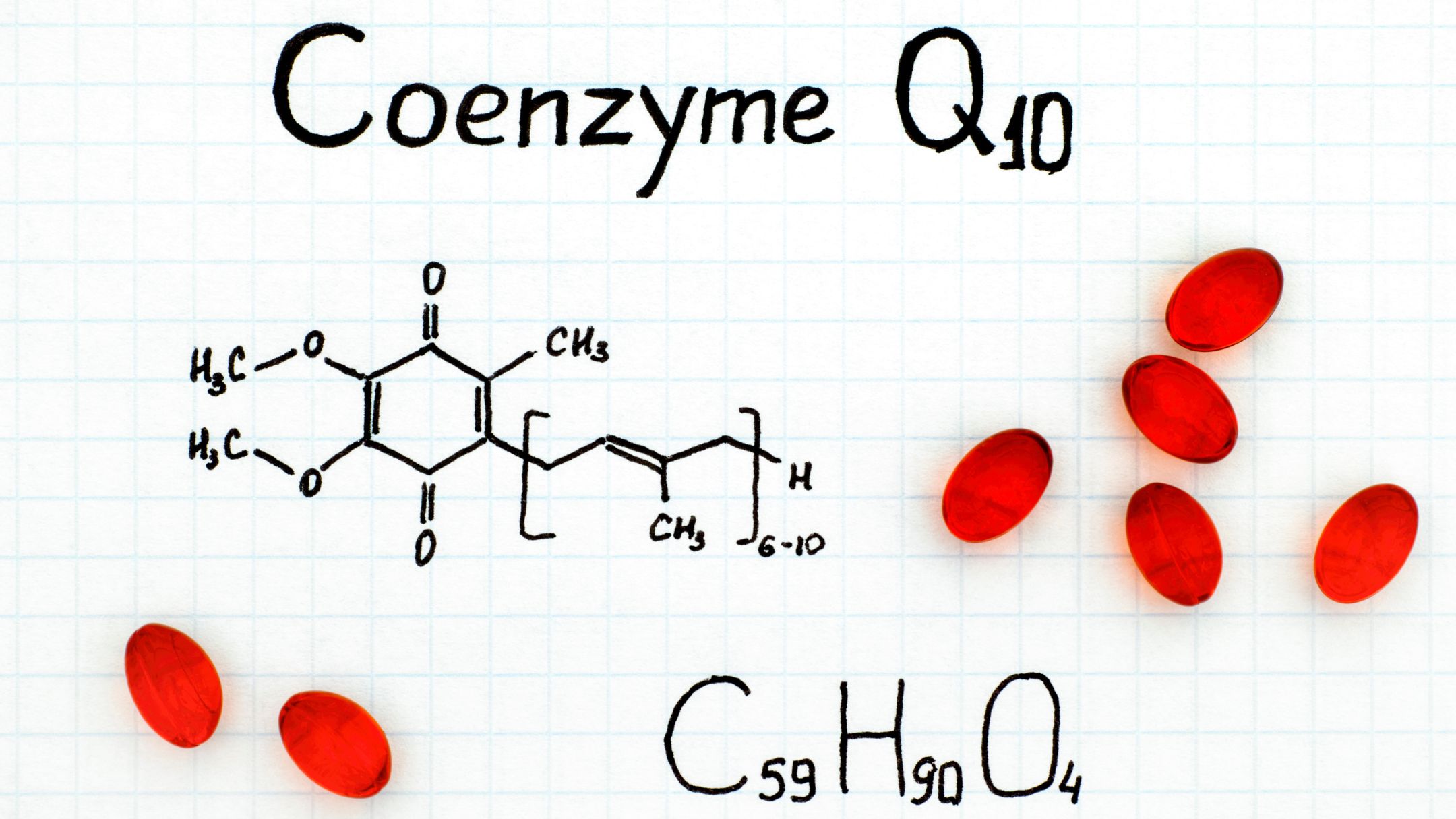
Coenzyme Q10 (CoQ10), also known as ubiquinone, is a fat-soluble compound found in nearly every cell. Its name reflects its ubiquity—this molecule is essential and widespread for good reason.
CoQ10’s main function is within the mitochondria, the cell’s energy factories. It facilitates electron transport along the chain that produces adenosine triphosphate (ATP), the energy currency powering muscle contractions, nerve signals, and countless biological processes. Without adequate CoQ10, this energy production slows down significantly.
In addition to energy support, CoQ10 acts as an antioxidant. In its reduced form, ubiquinol, it neutralizes free radicals that can damage cells, proteins, and DNA. This combination of energy facilitation and antioxidant protection underpins many of the CoQ10 supplement benefits explored in research.
Your body naturally produces CoQ10, and you can get small amounts from foods like organ meats, fatty fish, and nuts. However, production declines with age, and factors such as certain medications can lower levels further.
CoQ10 Benefits Supported by Research
Research on CoQ10 spans decades and various health areas, with the strongest evidence in specific contexts rather than broad claims.
Heart Health
CoQ10 for heart health is the most extensively studied application. The heart’s high energy demands make it particularly sensitive to CoQ10 depletion. In patients with heart failure, the Q-SYMBIO study published in JACC Heart Failure showed that CoQ10 supplementation reduced major cardiovascular events compared to placebo. It’s important to emphasize that CoQ10 supplements are not substitutes for prescribed cardiac medications but can be a supportive addition under medical supervision.
Some studies also suggest CoQ10 may modestly lower blood pressure, though findings are less consistent in this area.
Statin-Related Muscle Symptoms
Statins lower cholesterol by inhibiting HMG-CoA reductase, an enzyme also involved in CoQ10 synthesis. This can lead to reduced CoQ10 levels and contribute to muscle pain or weakness (myalgia) experienced by some statin users. While evidence on CoQ10’s effectiveness for statin-related muscle symptoms is mixed, its low risk profile and biological rationale make it a reasonable option to discuss with your healthcare provider if you experience these side effects.
Energy and Exercise Performance
Because CoQ10 supports cellular energy production, it has been studied for fatigue and exercise performance. Some research shows benefits in individuals with low baseline CoQ10 levels or chronic fatigue, including improved physical performance and reduced tiredness. However, in healthy, well-nourished athletes, the effects tend to be modest. CoQ10 supplementation appears most useful for those with deficiency rather than as a universal energy booster.
Migraine Prevention
CoQ10 may help reduce migraine frequency. A review on PubMed found evidence supporting CoQ10’s role in migraine prevention, possibly due to its effect on mitochondrial function implicated in migraine pathophysiology. Some headache societies include CoQ10 as a preventive option based on this promising data.
Neurodegenerative Conditions
CoQ10 has been investigated for neurodegenerative diseases like Parkinson’s, given mitochondrial dysfunction’s role in these conditions. Early studies showed potential benefits, but larger trials have yet to confirm consistent effects. This remains an area of ongoing research rather than established treatment.
Who Is Most Likely to Benefit from CoQ10 Supplementation?
Not everyone needs CoQ10 supplements. If you’re young, healthy, and not on medications affecting CoQ10, your body likely produces sufficient amounts. However, certain groups may benefit more:
-
People over 40: Natural CoQ10 production declines with age, making supplementation more plausible as you get older.
-
Statin users: Statins reduce CoQ10 synthesis; supplementation may help address related muscle symptoms.
-
Individuals with heart failure or cardiovascular conditions: Supplementation should be considered under cardiologist guidance.
-
People with chronic fatigue: Low CoQ10 may contribute to fatigue in some cases, though it’s not a cure-all.
-
Migraine sufferers: CoQ10 is a low-risk option for migraine prevention worth discussing with a healthcare provider.
-
Those with rare genetic or mitochondrial disorders: These require specialist management and may involve CoQ10 therapy.
Recommended Dosages and Forms of CoQ10
CoQ10 dosage depends on the reason for use. Healthy adults often take 100–200mg daily, while clinical trials for heart failure have used doses up to 300mg or more under medical supervision. Migraine prevention studies typically use around 300mg daily, though lower doses can also be effective.
Ubiquinone vs. Ubiquinol
CoQ10 supplements come as ubiquinone (oxidized form) and ubiquinol (reduced, active antioxidant form). Ubiquinol may offer better absorption, especially in older adults, but ubiquinone is less expensive and has a longer research history. Both forms can be effective. Taking CoQ10 with a fat-containing meal enhances absorption, and splitting doses (morning and evening) may improve uptake.
If you’re unsure which form or dose suits you, a personalized assessment can help. CarePlus offers a supplement guide focused on energy and fatigue that includes CoQ10 alongside other key nutrients.
Not Sure If CoQ10 Is Right for You?
CoQ10 supplementation isn’t one-size-fits-all. The right dose, form, and timing depend on your age, medications, and health goals. CarePlus can help you determine what makes sense for your unique situation—no guesswork needed.
Take the CarePlus personalised wellness quiz—it takes about 5 minutes—and receive tailored recommendations based on your health profile.
Possible Side Effects and Interactions
CoQ10 is generally safe, with serious side effects uncommon, but some considerations apply.
Common Side Effects
The most reported side effects are mild gastrointestinal issues—nausea, stomach upset, and loose stools—especially at higher doses. Taking CoQ10 with food usually minimizes these effects. Less commonly, some people report headaches or insomnia.
Drug Interactions
CoQ10 may interact with warfarin, a blood thinner, potentially reducing its effectiveness due to structural similarity with vitamin K. Anyone on anticoagulants should consult their healthcare provider before starting CoQ10.
There is also theoretical potential for CoQ10 to enhance blood pressure-lowering effects when combined with antihypertensive medications. This warrants medical discussion but is not a reason to avoid CoQ10 outright.
Pregnancy and Breastfeeding
High-quality evidence on CoQ10 safety during pregnancy and breastfeeding is lacking. The cautious approach is to avoid supplementation unless advised by a healthcare professional.
For more on nutritional factors affecting energy, see the CarePlus guide to vitamins for energy.
How to Choose a Quality CoQ10 Supplement
The supplement market varies widely in quality. When selecting a CoQ10 product, consider:
-
Third-party testing: Look for independent verification from organizations like NSF International or USP to ensure purity and potency.
-
Formulation: Softgels often offer better absorption for fat-soluble CoQ10 than tablets or capsules.
-
Clear dosing: The label should specify the exact CoQ10 amount per dose without hiding it in proprietary blends.
-
Minimal fillers: A simple ingredient list without unnecessary additives indicates better quality.
If you’re combining CoQ10 with other supplements, consider interactions and complementary effects. For example, CoQ10 and magnesium both support mitochondrial function and may be synergistic, though individual assessment is key.
Getting the Most from CoQ10
CoQ10 supplementation works best as part of a healthy lifestyle. It’s not a substitute for good sleep, balanced nutrition, or regular exercise. Addressing underlying causes of fatigue—like iron deficiency or thyroid issues—will have a greater impact than supplements alone.
For those in groups likely to benefit—statin users, cardiovascular patients, older adults, migraine sufferers—CoQ10 can offer meaningful support. The key is aligning supplementation with your specific health needs and evidence-based guidance.
If you’re uncertain, consult your GP or a qualified nutritionist, especially if you have existing health conditions or take prescription medications.
Frequently Asked Questions About CoQ10 Benefits
What are the main benefits of CoQ10?
CoQ10 supports cellular energy production by aiding the electron transport chain in mitochondria and acts as an antioxidant protecting cells from oxidative damage. Key CoQ10 benefits include supporting heart health (especially in heart failure), potentially reducing statin-related muscle symptoms, helping prevent migraines, and supporting overall energy metabolism. The strongest evidence exists for cardiovascular and migraine-related uses.
Who should take CoQ10 supplements?
CoQ10 supplementation is most relevant for people over 40 (due to natural declines), statin users (since these drugs lower CoQ10), individuals with heart failure or cardiovascular conditions under medical advice, frequent migraine sufferers, and those experiencing unexplained fatigue. Healthy younger adults typically produce enough CoQ10 naturally and may not benefit significantly.
How much CoQ10 should I take daily?
Common doses range from 100–200mg daily for general supplementation. For specific conditions like migraine prevention or heart failure, doses up to 300mg or more are used under medical supervision. There’s no universal dose; consult your healthcare provider for personalized recommendations.
Are there any side effects of CoQ10?
CoQ10 is generally well tolerated. Mild gastrointestinal symptoms such as nausea or stomach upset may occur, especially at higher doses, but can often be minimized by taking it with food. The main drug interaction to note is with warfarin, where CoQ10 may reduce its effectiveness. People on blood thinners or blood pressure medications should consult their doctor before starting CoQ10.