Anti-Inflammatory Supplements: The Evidence-Based Guide
Interest in anti-inflammatory supplements has grown steadily, and it is easy to see why. Ongoing inflammation is often linked with joint stiffness, fatigue, and slower recovery, so the idea of easing symptoms with a capsule or powder can feel appealing. But the supplement market moves much faster than the evidence. Some ingredients have real, if modest, support from clinical trials. Others are better marketed than studied. This guide looks at the most discussed options, explains what the research can and cannot show, and highlights where caution matters.
Before anything else: supplements are not a substitute for diagnosis. If you are dealing with persistent pain, swelling, or other symptoms you think are related to inflammation, those symptoms deserve proper evaluation. Treating yourself with natural products while an underlying condition goes unrecognised can delay care.
Understanding Inflammation — and Why Supplements Are Not a First-Line Answer
Inflammation is a normal immune response. When you cut your finger or fight off a virus, acute inflammation is the body doing exactly what it should. The concern is chronic inflammation — a low-level, persistent activation of inflammatory pathways that may contribute to conditions ranging from arthritis to cardiovascular disease.
Most supplement research measures inflammatory markers — blood proteins like C-reactive protein (CRP), interleukin-6 (IL-6), or tumour necrosis factor-alpha (TNF-α). A supplement that lowers one of these markers in a study does not automatically translate into meaningful symptom relief for a specific person. That gap between biomarker changes and real-world benefit is important to keep in mind throughout this guide.
Diet, sleep, physical activity, and stress management all have stronger evidence for influencing chronic inflammation. Supplements, at best, work alongside those foundations — not instead of them.
Anti-Inflammatory Supplements with the Most Research Behind Them
The ingredients below appear most often in peer-reviewed trials. Evidence quality varies, and where it does, that is noted directly.
Omega-3 Fatty Acids (Fish Oil)
Omega-3s — specifically EPA (eicosapentaenoic acid) and DHA (docosahexaenoic acid) — are among the most studied compounds in the context of inflammation. They influence the production of eicosanoids and resolvins, signalling molecules that help resolve inflammatory responses.
A meta-analysis published in PLOS ONE found that omega-3 supplementation was associated with reductions in CRP and IL-6 in people with chronic conditions, although the effects were modest. For rheumatoid arthritis specifically, several trials have shown reductions in morning stiffness and tender joint counts when fish oil is used alongside standard treatment — not as a replacement for it.
Typical doses studied range from 1 g to 4 g of combined EPA and DHA daily. Higher doses used in some cardiovascular trials, such as REDUCE-IT, are not generally recommended without medical supervision. Fish oil can have a mild blood-thinning effect, which matters if you take anticoagulants.
For people who do not eat oily fish, algae-based omega-3 supplements provide EPA and DHA without the fish source — a useful option for plant-based diets. You can read more about how omega-3 status fits into broader nutritional assessment in our guide to omega-3 deficiency.
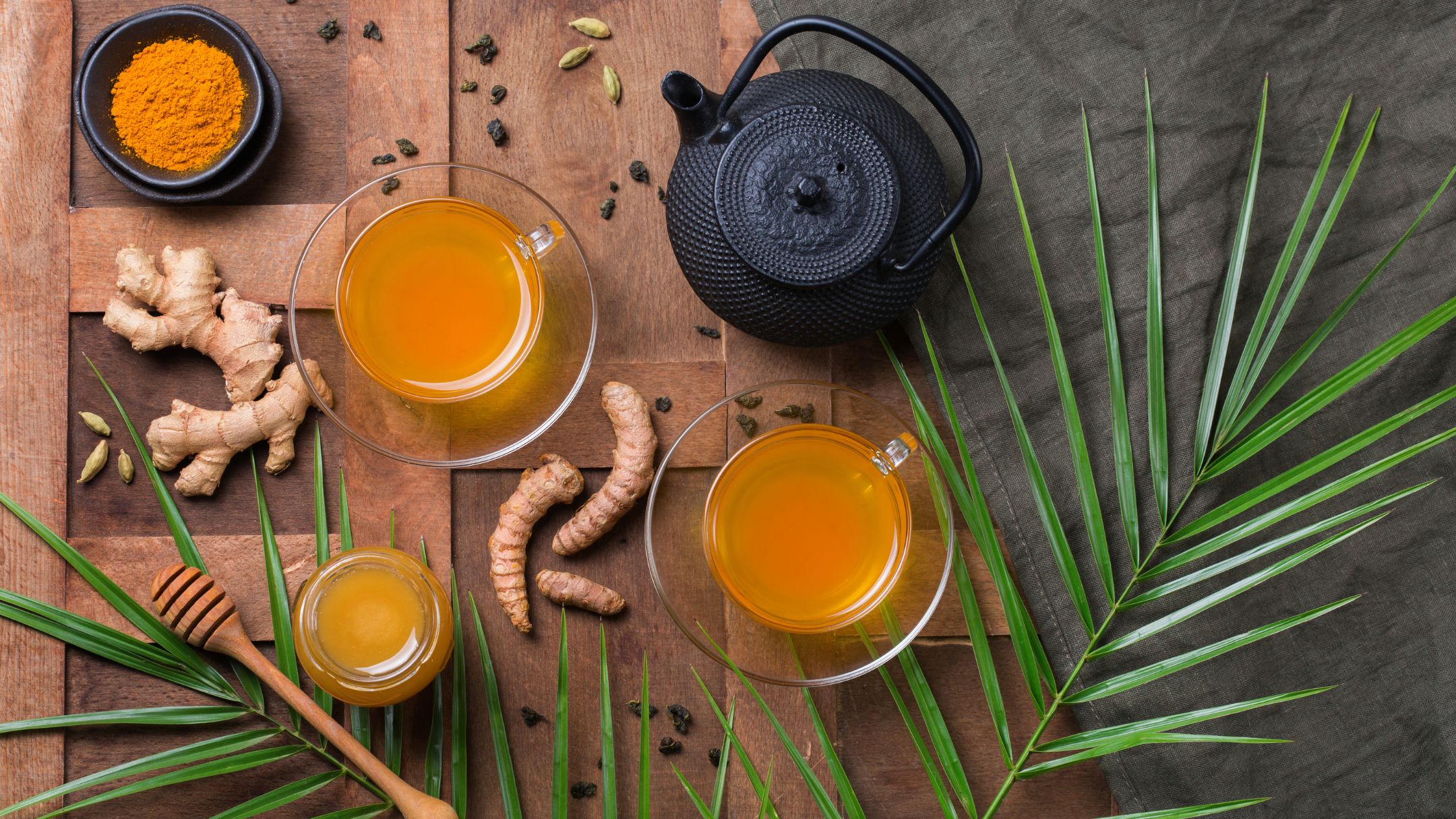
Curcumin (from Turmeric)
Curcumin is the active compound extracted from turmeric root. It has been studied for its effects on NF-κB — a protein complex that regulates inflammatory gene expression. In laboratory conditions, curcumin has impressive anti-inflammatory properties. The challenge is that it is poorly absorbed on its own.
Bioavailability is the central issue. Standard curcumin powder is absorbed very poorly. Formulations paired with piperine (black pepper extract), or using liposomal or phospholipid delivery systems, have shown meaningfully higher absorption in pharmacokinetic studies.
Clinical trials in people with osteoarthritis have found curcumin supplements — typically 500 mg to 1,500 mg daily of a bioavailable form — associated with reductions in pain and stiffness scores, sometimes comparable to low doses of NSAIDs in short-term trials. The evidence is encouraging but not definitive. Many studies are small, and industry funding is common, so a healthy degree of scepticism is appropriate.
Curcumin may interact with blood-thinning medications and can affect how the liver processes certain drugs. Anyone taking warfarin or other anticoagulants should discuss use with a pharmacist or doctor before starting.
Ginger
Ginger contains gingerols and shogaols, compounds with documented effects on prostaglandin and leukotriene synthesis — both involved in pain and inflammatory signalling. It is one of the better-tolerated options and has a long history of culinary use, which offers some reassurance around general safety.
Clinical evidence for ginger as an anti-inflammatory supplement is modest. Some randomised controlled trials have found reductions in pain scores in people with osteoarthritis or muscle soreness after exercise. Effect sizes tend to be small. Doses studied typically range from 500 mg to 2 g of dried ginger extract daily.
Ginger is generally considered safe at culinary and supplement doses for most adults, though higher doses may cause gastrointestinal discomfort in some people. Like omega-3s, it has mild antiplatelet activity.
Boswellia (Indian Frankincense)
Boswellia serrata extract contains boswellic acids, which inhibit 5-lipoxygenase (5-LOX) — an enzyme involved in producing leukotrienes, a class of inflammatory molecules. This mechanism is distinct from most other supplements on this list, which is why boswellia often appears in combination products.
Trials in osteoarthritis, particularly knee osteoarthritis, have shown reductions in pain and improved mobility with standardised boswellia extracts — commonly AKBA-standardised preparations — at doses around 100 mg to 250 mg of concentrated extract. A 2019 systematic review found promising results but called for larger, longer trials to confirm the findings.
Boswellia is generally well tolerated. Gastrointestinal side effects are occasionally reported. Drug interaction data is limited, so caution is advisable alongside medications metabolised by the liver.
Magnesium
Magnesium is not often framed as an anti-inflammatory supplement, but magnesium deficiency is associated with elevated CRP levels in population studies. Correcting a deficiency — which is more common than many people realise, particularly in those with limited dietary variety or high alcohol intake — may help normalise inflammatory markers.
This does not mean that supplementing magnesium in someone who is not deficient will reduce inflammation. The benefit appears most relevant when there is an underlying shortfall. Our article on magnesium deficiency signs covers how to recognise inadequate intake and what forms of supplementation are best absorbed.
Vitamin D
Vitamin D receptors are present on immune cells, and deficiency has been linked in observational research to higher inflammatory marker levels and increased susceptibility to autoimmune conditions. Supplementation to correct deficiency is well supported and recommended in many national guidelines.
Whether supplementing vitamin D in people who are not deficient provides additional anti-inflammatory benefit is less clear. The VITAL trial — a large randomised controlled trial — found that vitamin D supplementation did not significantly reduce the incidence of major cardiovascular events or cancer, raising questions about how much benefit supplementation offers beyond correcting deficiency.
Vitamin D toxicity from over-supplementation is a genuine risk at very high doses taken over time. Most adults in regions with limited sun exposure benefit from 400–2,000 IU daily, but testing serum levels before using higher doses is sensible practice. For a fuller picture, see our overview of vitamin D deficiency.
Not Sure Where to Start?
If you are managing ongoing inflammation and considering supplements, it helps to understand your individual nutritional status first — rather than choosing products based on general advice. CarePlus is a personalised wellness platform that helps you identify gaps and make more targeted decisions.
The CarePlus personalisation quiz takes about 5 minutes and generates recommendations based on your health goals, symptoms, and lifestyle. A healthcare professional should still review any supplement plan, particularly if you take medication.
What the Research Can and Cannot Show
It is worth being clear about the limits of this evidence base. Most supplement trials run for 8–12 weeks, use composite symptom scores as endpoints, and involve relatively small participant groups. Long-term safety data is sparse for many ingredients. Industry funding is common in this space, which does not make results wrong, but it does mean independent replication matters.
Reductions in inflammatory markers are useful signals, but they do not always correspond to how someone feels day to day. Symptom outcomes — pain scores, mobility, quality of life — are more meaningful in practice, and these tend to show smaller, though sometimes clinically relevant, effects.
The concept of responders vs non-responders is also relevant. Genetic variation, gut microbiome composition, baseline nutrient status, and the underlying cause of inflammation all influence whether a given supplement is likely to do anything useful for a specific person. This is why personalised assessment matters more than following a generic top-five list.
How to Choose a Quality Supplement
Even if an ingredient has solid evidence behind it, the product you buy may not deliver what the label promises. Supplement markets in many countries are loosely regulated, meaning label accuracy and potency can vary widely between brands.
Standardisation
Look for products standardised to a specific active compound. Curcumin supplements, for example, should specify the curcuminoid percentage and the delivery system used. Boswellia products should state the AKBA content. A product that simply says “turmeric root powder” at 500 mg tells you very little about the actual curcumin dose.
Third-Party Testing
Third-party certification from organisations like NSF International, USP, or Informed Sport provides independent verification that a product contains what it claims and is free from common contaminants. This is particularly relevant for anyone subject to drug testing in sport.
Dose Matters
Many products are dosed below the amounts used in clinical trials. Check the dose per serving against what the research used. A supplement with a proprietary blend listing multiple ingredients in undisclosed amounts is a common quality concern.
Safety, Interactions, and Who Should Be Cautious
“Natural” does not mean universally safe. Several of the supplements discussed here carry interaction risks that are clinically relevant:
-
Anticoagulants (warfarin, apixaban, etc.): Omega-3s, curcumin, ginger, and boswellia all have some antiplatelet or anticoagulant activity. Combining these with blood-thinning medications can increase bleeding risk.
-
Immunosuppressants: Supplements that modulate immune function — including high-dose curcumin — may theoretically interfere with immunosuppressive therapy. This is particularly relevant for transplant recipients or people with autoimmune conditions on biological therapies.
-
Liver-metabolised medications: Curcumin and boswellia can affect cytochrome P450 enzyme activity, which influences how many drugs are processed. If you are on multiple medications, a pharmacist review is worth doing before adding these supplements.
-
Pregnancy: Evidence on supplement safety during pregnancy is limited for most of these compounds. High-dose ginger, curcumin, and omega-3s beyond standard dietary amounts should all be discussed with a midwife or obstetrician.
People with gallbladder disease should use curcumin with care, as it stimulates bile production. Those with fish or shellfish allergies should opt for algae-derived omega-3 products.
When Symptoms Need Medical Evaluation, Not a Supplement
Some warning signs should prompt you to see a doctor rather than reaching for a supplement. These include:
- Sudden or severe joint pain, especially with swelling, redness, or fever
- Persistent fatigue that does not improve with rest
- Unexplained weight loss alongside inflammatory symptoms
- Joint symptoms affecting multiple joints symmetrically (a possible sign of rheumatoid arthritis or another systemic condition)
- Any symptom that has been present for more than a few weeks without a clear explanation
Conditions like rheumatoid arthritis, lupus, inflammatory bowel disease, and others require proper diagnosis and, in most cases, prescription treatment. Supplements may have a supportive role alongside medical care in some of these conditions — but they are not a standalone strategy.
Frequently Asked Questions
What is the best supplement for inflammation?
There is no single best option, because the right choice depends on what is driving your inflammation, your current medications, and your nutritional status. Omega-3 fatty acids and curcumin in a bioavailable form have the most consistent clinical evidence among commonly available supplements, but that does not mean they will be effective or appropriate for everyone. A personalised assessment is more useful than a universal recommendation.
Do anti-inflammatory supplements really work?
Some show modest benefits in clinical trials — particularly for joint pain and stiffness in conditions like osteoarthritis. The effects are generally smaller than those of prescription anti-inflammatory medications, and not everyone responds. The evidence is stronger for some ingredients, such as omega-3s and curcumin, than others. Supplements are not a replacement for medical treatment when a diagnosed inflammatory condition is present.
Is turmeric the same as curcumin?
No — turmeric is the root spice, and curcumin is one of its active compounds. The curcuminoids make up roughly 2–5% of dried turmeric by weight. Eating turmeric in food provides very small amounts of curcumin. Supplements designed to deliver therapeutic doses of curcumin use extracted, often enhanced-bioavailability forms — quite different from adding turmeric powder to cooking.
Can omega-3s help with inflammation?
Yes, there is reasonable evidence that EPA and DHA from fish oil can modestly reduce circulating inflammatory markers and may help with joint symptoms in conditions like rheumatoid arthritis when used alongside standard treatment. The benefit is most consistently seen when supplementing at 2–4 g of combined EPA and DHA daily, though this range should be discussed with a healthcare provider, especially if you take blood-thinning medications.
Are anti-inflammatory supplements safe with medications?
It depends on the supplement and the medication. Omega-3s, curcumin, and ginger all have mild blood-thinning effects that can interact with anticoagulants. Curcumin and boswellia may affect liver enzyme activity, which influences drug metabolism. Always check with a pharmacist or doctor before combining supplements with prescription medications — this is not a minor precaution, particularly for people on multiple drugs.