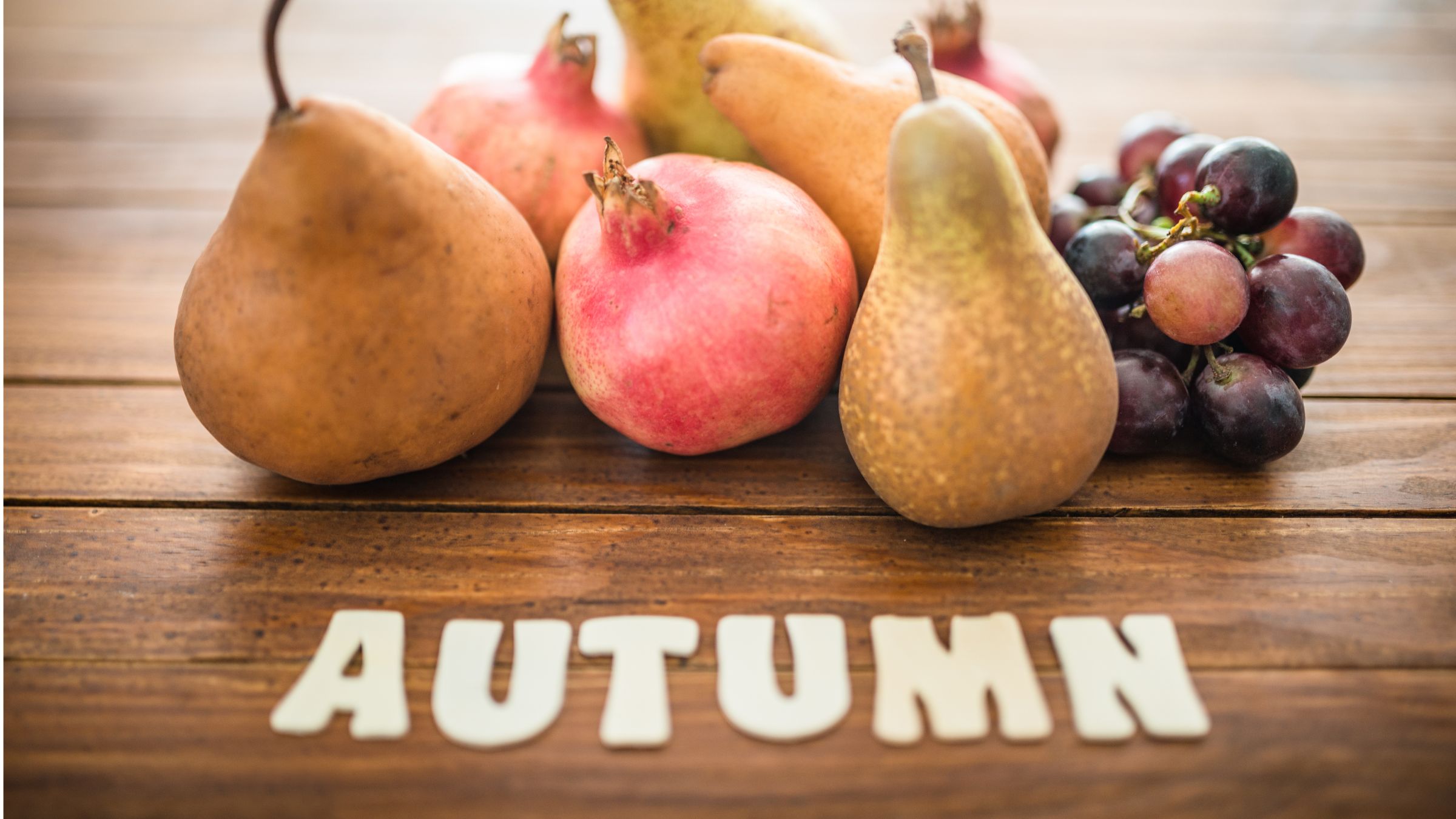
Shorter Days and Indoor Routines: Your Autumn Indoor Nutrition Routine
An autumn indoor nutrition routine does not need to be elaborate to be useful. When the days get shorter, many people spend more time inside, move a little less, and notice changes in appetite, energy, and sleep. That can make meals feel less structured and snacks feel more frequent. This guide keeps things simple: a few realistic habits that fit shorter days, indoor work, and the kind of autumn schedule most people actually keep.
How Autumn Actually Changes the Way You Eat and Move
Before changing your routine, it helps to understand what is shifting. As daylight drops, people often spend more time indoors, take fewer spontaneous walks, and reach for warmer, more filling foods. That is not a failure of willpower; it is a normal response to a seasonal change in light, temperature, and daily rhythm.
Appetite can feel a little stronger in cooler weather, and sleep can become less predictable if evenings stretch later under artificial light. Some people feel sleepy earlier but still stay up, which can leave them dragging through the next day. At the same time, work-from-home schedules and indoor routines can blur the line between real hunger and casual grazing.
That is why fall healthy habits work best when they are practical. You usually do not need a full reset. You need a routine that supports regular meals, steady hydration, and enough structure to keep energy more even through the week.
Simple Nutrition Habits for an Autumn Indoor Nutrition Routine
Use Regular Meals as an Anchor
When the day feels less structured, regular meals help keep hunger signals clearer. That does not mean eating at the exact same minute every day. It means giving breakfast, lunch, and dinner a rough place in the day so you are less likely to arrive at evening ravenous or snack your way through the afternoon.
A simple starting point is to choose a breakfast window that works for your schedule and treat it as part of the morning, not something that happens after your inbox is under control. Once breakfast is steady, lunch and dinner usually become easier to plan.
Include Protein at Every Meal
Protein is one of the most useful nutrients for indoor routine nutrition because it helps with fullness and supports muscle maintenance when movement naturally drops a little in autumn. You do not need a high-protein diet, but it helps to include a clear protein source at each meal: eggs, yogurt, legumes, fish, poultry, tofu, or dairy.
Breakfast is often the easiest place to improve. Porridge with milk and nuts, eggs on toast, or yogurt with fruit and seeds will usually keep you going longer than a carb-only breakfast.
Choose Fibre-Rich Foods That Feel Seasonal
Autumn is a good time to lean into foods that are both satisfying and easy to prepare. Squash, sweet potato, parsnips, leeks, kale, Brussels sprouts, mushrooms, apples, and pears are all common seasonal choices across much of Europe, and many Gulf markets also carry a strong autumn produce selection. Seasonal nutrition tips do not need to be fancy; they just need to be realistic enough that you will actually use them.
Fibre supports digestion and helps meals feel more filling, which matters when movement is lower and snack cravings are more likely to show up. Roasted vegetables, lentil soups, bean stews, and grain bowls are all simple ways to make autumn meals more satisfying.
Do Not Let Hydration Slide
People often drink less water in autumn because they are not sweating as much and do not feel as thirsty. That can make hydration easy to overlook. A glass of water at your desk, herbal tea in the afternoon, or soup with lunch all count toward your fluid intake. Warm drinks can be especially helpful when the weather turns cool, because they are easy to keep up with.
Plan Snacks Instead of Grazing
Snacking is not the problem. Unplanned grazing is. A planned snack gives you something to look forward to and helps prevent the kind of nibbling that happens when you are bored, cold, or working through lunch. Good options include fruit and yogurt, hummus and crackers, nuts, or cheese with wholegrain toast.
For many people, two planned snacks are enough: one mid-morning and one mid-afternoon. That small bit of structure often works better than trying to rely on willpower alone.
Vitamin D in Autumn: The Seasonal Concern Worth Taking Seriously
Vitamin D is one area where autumn really does deserve attention. In the UK, most of Europe, and even parts of the Gulf, the angle of the sun changes enough after September that skin makes less vitamin D from sunlight. In northern latitudes, that drop becomes more significant as winter approaches.
The NHS recommends that adults consider a daily vitamin D supplement of 10 micrograms (400 IU) from October through March. Similar guidance exists across much of northern Europe. People who spend most of their time indoors, cover most of their skin outdoors, or have darker skin tones may need to be especially consistent.
If you want a deeper look at symptoms, causes, and how much vitamin D you may need, the article on vitamin D deficiency — signs, causes, and how much you actually need is a helpful place to start. For a broader seasonal overview, including winter guidance in Europe, the complete European guide to vitamin D in winter is worth saving for later.
Food helps, but it is usually not enough on its own. Oily fish, egg yolks, and fortified foods contain vitamin D, yet they rarely replace what is lost when sunlight exposure drops. That is why supplementation is one of the more practical low-risk habits to consider in autumn and winter.
Practical Routines for Morning, Workday, and Evening
Mornings
A steady morning sets the tone for the rest of the day. If you are building a morning wellness routine that actually sticks, the guide on building a morning wellness routine that actually sticks offers practical ideas without asking you to redesign your whole life.
For nutrition, aim to eat within an hour of waking if you can, include protein, and take any supplements with food. Vitamin D is fat-soluble, so a meal that includes some fat can help with absorption. If possible, get a little natural light early in the day, even if it is just a short walk or a few minutes by a window.
Workday
Indoor workdays often mean fewer movement breaks, so it helps to build them in on purpose. A short walk at lunch, even for ten or fifteen minutes, gives you a break from sitting and a bit of daylight exposure. Lunch should ideally be a proper meal rather than something eaten between meetings or at your desk while answering messages.
Hydration is easier when it is attached to a routine. Try a glass of water when you start work, another mid-morning, one with lunch, and one in the afternoon. That simple pattern is often enough to keep you on track without counting anything.
Evenings
Evenings are where many autumn routines drift. Dinner gets pushed later, screens stay on longer, and sleep can suffer when the day feels blurred. Keeping dinner at a fairly consistent time helps, as does avoiding very large meals right before bed.
A warm drink can be a useful signal that the day is winding down. Chamomile tea, warm milk, or another low-caffeine option can help create a calmer transition into the evening. It is a small habit, but small habits are often the ones that last.
If fatigue, poor sleep, and difficulty concentrating sound familiar during a season spent mostly indoors, the urban professional’s supplement guide covers several relevant areas, including nutrients that are commonly low in high-stress, low-sunlight routines.
A Simple Autumn Nutrition Checklist
Checklists work best when they are short enough to remember. Here is a realistic one for an autumn indoor nutrition routine:
-
Eat a protein-containing breakfast within an hour of waking most mornings.
-
Keep lunch a proper meal — away from screens if possible, at a roughly consistent time.
-
Plan two snacks rather than grazing — one mid-morning, one mid-afternoon.
-
Drink water consistently through the day — four to six glasses as a rough guide, more if you are active.
-
Include vegetables at most meals — roasted, souped, or raw, depending on preference.
-
Take a vitamin D supplement from October onwards if you live above 50°N latitude or spend most days indoors.
-
Eat dinner at a consistent time and avoid very large meals close to sleep.
-
Get outside briefly each day — even a short walk for daylight exposure makes a difference.
None of these habits are dramatic, and that is exactly why they work. The easiest routines to maintain are usually the ones that fit around your life instead of asking you to start over.
Frequently Asked Questions
How should my diet change in autumn?
It usually does not need to change much. The most useful adjustments are often simple: keep meal times reasonably consistent, include protein at each meal, and pay a little more attention to hydration when you are not feeling as thirsty. If you live in a region with less sunlight in autumn and winter, vitamin D becomes more important too. Beyond that, seasonal foods like squash, root vegetables, soups, and stews can make the season feel easier to manage.
What are the best foods for shorter days?
There is no single best food, but foods that are filling, nourishing, and easy to prepare tend to work well. Oily fish such as salmon, mackerel, and sardines provide vitamin D and omega-3s. Lentils and beans add protein and fibre. Eggs are versatile and easy to use. Root vegetables, leafy greens, mushrooms, fruit, and soups all fit naturally into fall healthy habits. Herbal teas and warm drinks can also help when the weather cools.
Why do I feel more tired in autumn?
There are a few common reasons. Less daylight can affect sleep and mood regulation, which may leave you feeling flat or sluggish. If you are moving less than you did in summer, that can also affect energy. Vitamin D levels often fall as sunlight exposure drops, and low levels are sometimes linked with fatigue. Poor sleep habits, especially later screen time and inconsistent bedtimes, can add to the problem. Looking at sleep, movement, and nutrition together is usually more helpful than focusing on one thing alone.
How can I stay healthy with an indoor routine?
The basics still matter most: regular meals, enough protein and fibre, steady hydration, and decent sleep. The difference with an indoor routine is that these habits need to be more intentional. You may need to plan movement breaks, get daylight on purpose, and think ahead about vitamin D. A short daily walk, a consistent lunch break, and a planned snack can go a long way toward keeping your autumn wellness routine realistic.