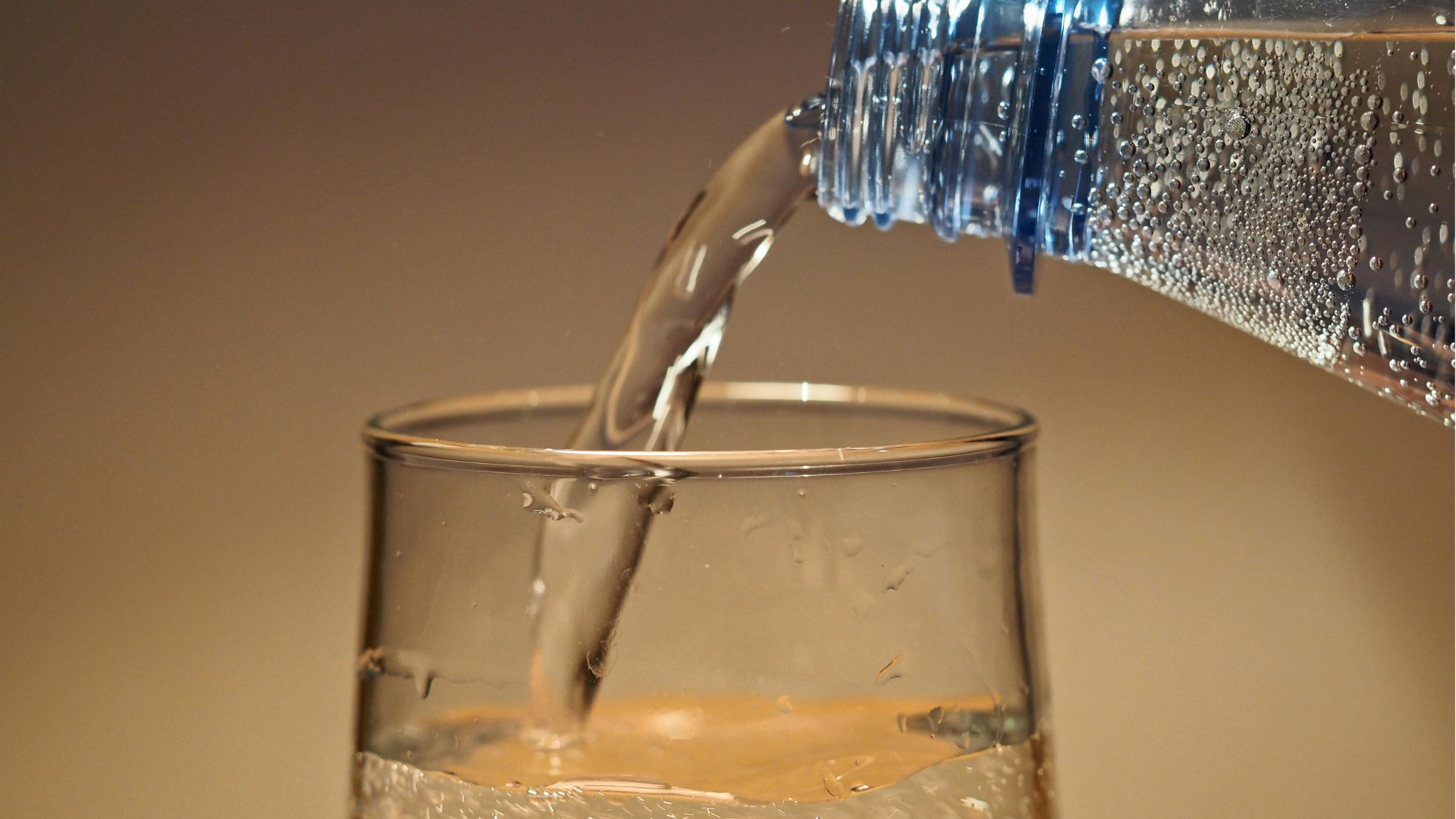
Padel Nutrition and Hydration: A Practical Guide for Recreational Players
Padel has grown fast across the Gulf, and for good reason: it is social, accessible, and demanding in a way that can sneak up on you. If you have ever walked off court feeling flat, cramped in the third set, or unusually drained the next day, your food and fluid choices may have played a part. Padel nutrition and hydration do not need to be complicated, but they do need to be intentional. This guide covers what to eat and drink before, during, and after play so you can enjoy your match without running on empty.
What Recreational Padel Actually Demands From the Body
Padel is an intermittent sport. Points are short and sharp, but they come one after another, and a social match can easily run 60 to 90 minutes or more. You sprint, pivot, swing, recover, and repeat. That pattern asks a lot of your aerobic system, your fast-twitch muscle fibres, and your ability to stay focused.
Add heat to the picture — especially in the UAE, Qatar, or Saudi Arabia, where outdoor courts can stay warm well into the evening — and sweat losses rise quickly. The body does not care whether you are a recreational player or a professional one when it comes to thermoregulation. If you are working hard, you will sweat.
The good news is that recreational players do not need elite-level protocols. A few consistent habits around food and fluids will cover most of what the sport throws at you.
Hydration Basics: Before, During, and After Play
Hydration is one of the most useful padel hydration tips for amateur players, and it is also one of the easiest things to get wrong — usually through habit rather than ignorance. Many players arrive at the court already a little behind after a long workday and not enough water.
Before the Match
Aim to start your session well hydrated. A practical target is 400–600 ml of water in the two hours before play. There is no need to chug a large amount right before you step on court; that often just feels uncomfortable. Steady sipping through the afternoon works better than a last-minute rush at the court entrance.
A simple check: pale yellow urine before you leave the house is a decent sign you are starting in a reasonable hydration state. Dark urine is a prompt to drink more.
During Play
For sessions under 60 minutes in a cool environment, water is enough for most people. For longer sessions — or for warm outdoor matches — aim for roughly 150–250 ml every 15–20 minutes. Use changeovers and breaks between sets to drink; do not wait until you feel thirsty. Thirst is a lagging signal, not an early warning system.
After Play
Rehydration after a match is often underestimated. A rough guide is to drink around 1.5 times the fluid you think you lost through sweat. Weighing yourself before and after is the most accurate way to estimate this: each kilogram of weight lost is roughly one litre of fluid. Most recreational players will not do this every time, and that is fine. The practical version is simple: drink steadily over the next two hours, eat a meal that includes fluid, and check your urine colour the following morning.
What to Eat Before Padel: Energy Without the Heaviness
The classic mistake before sport is eating too much, too late, or the wrong type of food. Heavy meals close to play can leave you feeling sluggish, and they may cause real discomfort once the match gets going.
Timing Matters
If you have two to three hours before a match, a moderate balanced meal works well — think grilled chicken or eggs with rice or bread, plus some vegetables. If you have only 60–90 minutes, something lighter and carbohydrate-forward is usually smarter: a banana, a small bowl of oats, a slice of toast with a light spread, or a small smoothie.
The goal is to top up your liver and muscle glycogen — the readily available fuel your body uses during intermittent exercise — without leaving you feeling stuffed. Carbohydrates are the main priority here. Protein matters overall, but it is not the focus in the immediate pre-match window. Fat and fibre slow digestion, so large portions of either right before play can work against you.
Practical Pre-Match Snack Ideas
- One or two bananas with a small handful of nuts (60–90 minutes before)
- Toast with honey or jam (60 minutes before)
- A small bowl of rice with a light protein source (2–3 hours before)
- Three to four dates, which are a familiar and effective quick-carb option in the Gulf
- A small fruit smoothie without added fat or protein powder, to keep digestion light
Avoid large portions of high-fat or heavily spiced food before play. Fried food, creamy sauces, or a very large meal within 90 minutes of a match is a reliable recipe for feeling heavy or nauseous on court.
Balancing evening matches with a demanding work schedule? Read our urban professional’s guide to supplements, stress, focus, and sleep for broader context on your routine.
During Longer Sessions: Fluids, Electrolytes, and Carbohydrate Top-Ups
For most recreational players in a standard one-hour session, water and a solid pre-match meal are enough. But if you are playing multiple sets, stretching into a longer social session, or competing in heat, a small carbohydrate top-up mid-session can help maintain concentration and reduce late-game fatigue.
This does not require gels or elaborate products. A few dates, a slice of banana, or a small sports drink between sets can do the job.
Electrolytes for Padel: When Do They Matter?
Sweat contains sodium, potassium, magnesium, and other minerals. For short sessions under an hour, the amounts lost are usually replaced easily through a normal diet. For longer or sweatier sessions — particularly in warm outdoor conditions common in the Gulf — electrolytes for padel become more relevant.
You do not necessarily need a specialist product. Foods naturally high in sodium, such as salted nuts or pretzels, and potassium-rich foods like bananas, dates, and coconut water can help. If you are playing regularly in the heat and notice frequent cramping, an electrolyte tablet or powder dissolved in water during play is a reasonable, low-risk addition. The NHS guidance on dehydration reinforces that for most people, replacing lost fluids and electrolytes through food and drink is enough without needing supplementation.
For a broader look at what regular exercise can deplete nutritionally, the CarePlus article on vitamins for runners and regular exercisers covers useful ground for any amateur athlete.
Recovery Nutrition After Padel
What you eat in the hour or two after a session can make a real difference to how you feel the next day. Padel recovery nutrition does not need to be a science project, but a few priorities are worth keeping in mind.
The Core Three: Fluids, Protein, and Carbohydrates
Rehydrate first. Then, within 45–60 minutes of finishing play, aim for a meal or snack that combines protein and carbohydrate. Protein supports muscle repair; carbohydrate helps restore glycogen. Neither works as well on its own as they do together.
Practical post-match recovery options:
- Grilled chicken or fish with rice and salad
- Eggs on toast, ideally whole grain
- Greek yoghurt with fruit and a small handful of granola
- A protein-rich smoothie with milk, banana, and oats
- Lentils or legumes with flatbread — a solid plant-based recovery option
A rough protein target of 20–30 grams in the post-match meal covers what most recreational players need for muscle repair. You do not need to be exact about it — a normal balanced meal with a decent protein source will usually land in the right range.
Sleep and Recovery
It sounds obvious, but adequate sleep is where most physical recovery actually happens. If you are playing evening sessions, keep the post-match meal manageable — heavy eating close to bedtime can disrupt sleep quality, which in turn slows recovery.
Common Mistakes Recreational Players Make
A few patterns come up again and again among amateur players:
-
Skipping the pre-match meal entirely. Playing on empty might feel light, but glycogen stores start low and performance drops faster in the second half of a session.
-
Relying on coffee for energy. Caffeine can help, but using it instead of food and hydration will eventually catch up with you — especially in heat.
-
Drinking too little, then overdrinking afterwards. Consistent intake throughout the day is more effective than reactive gulping.
-
Assuming supplements will compensate for poor diet and hydration. They will not. No vitamin or mineral supplement meaningfully offsets arriving at the court dehydrated and underfed.
-
Ignoring recovery nutrition because the session felt easy. Even a casual match creates muscle stress and glycogen depletion. A small recovery snack still helps.
If you often feel unusually fatigued after sessions, it is worth reading about vitamins for energy and fatigue — not because supplements are the automatic answer, but because understanding what the evidence supports helps you make informed choices rather than impulse purchases.
When a Supplement May Be Useful — and When Food and Fluids Are Enough
The supplement industry is very good at making products feel essential for anyone who exercises. For recreational padel players, the honest answer is that most of what you need comes from food and fluid. If you are eating varied meals, staying hydrated, and sleeping reasonably well, you are covering a large share of your nutritional bases.
That said, there are situations where specific supplements have reasonable evidence behind them:
-
Vitamin D: Despite living in a sunny region, indoor work environments and cultural dress practices mean vitamin D insufficiency is common in the Gulf. If you are playing padel indoors or mostly in the evening, it is worth checking your levels.
-
Magnesium: Magnesium is lost in sweat, and low intake can be a factor in cramping. A magnesium supplement or magnesium-rich diet — leafy greens, nuts, and seeds — may be worth considering for players who cramp regularly.
-
Iron: Worth checking if you feel disproportionately fatigued after moderate exercise. This is particularly relevant for women. Blood testing is the only reliable way to confirm a deficiency.
-
Protein powder: Useful as a convenience food if you genuinely struggle to eat enough protein through meals. It is food, not a performance drug.
The CarePlus guide on taking vitamins with food and absorption is worth a read if you are already using supplements and want to make sure you are getting the most from them.
For most recreational players, the foundations — consistent hydration, a balanced pre-match meal, a recovery meal with protein and carbs, and adequate sleep — will outperform any supplement stack built on a shaky nutritional base.
Frequently Asked Questions
What should I eat before playing padel?
Aim for a light to moderate meal two to three hours before play that includes carbohydrates and some protein — rice with chicken, eggs on toast, or a bowl of oats are all good options. If you have less than 90 minutes, stick to something smaller and easy to digest: a banana, a few dates, or a small smoothie. Avoid high-fat or very spicy food close to match time.
How much should I drink during a padel match?
A general guide is 150–250 ml every 15–20 minutes during play, using changeovers and set breaks to drink. For short sessions under an hour in a cool environment, water is enough. For longer or hotter sessions, sip consistently rather than drinking large amounts at once.
Do recreational padel players need electrolytes?
For most one-hour sessions in moderate conditions, a normal balanced diet replaces lost electrolytes without any extra product. For longer sessions in the heat — particularly common in the Gulf — adding an electrolyte tablet or powder to your water, or eating foods like bananas, dates, or salted snacks around your session, is a sensible and low-cost strategy. Frequent cramping despite adequate hydration is a reasonable prompt to pay more attention to sodium and magnesium intake.
What is the best recovery meal after padel?
Something that combines protein and carbohydrate within 45–60 minutes of finishing. Grilled chicken or fish with rice, eggs on toast, Greek yoghurt with fruit, or a protein-rich smoothie with banana and oats all work well. Aim for roughly 20–30 grams of protein and a moderate portion of carbohydrates. Rehydrate before and during the meal.
Should I take supplements for padel training?
Only if you have a specific reason to. Supplements are not a shortcut around inconsistent eating and hydration habits. If you have confirmed low vitamin D, inadequate iron, or regular cramping that suggests low magnesium, targeted supplementation makes sense. A five-minute quiz at CarePlus can help identify whether your habits and lifestyle point to any genuine gaps — but food and fluids first, always.