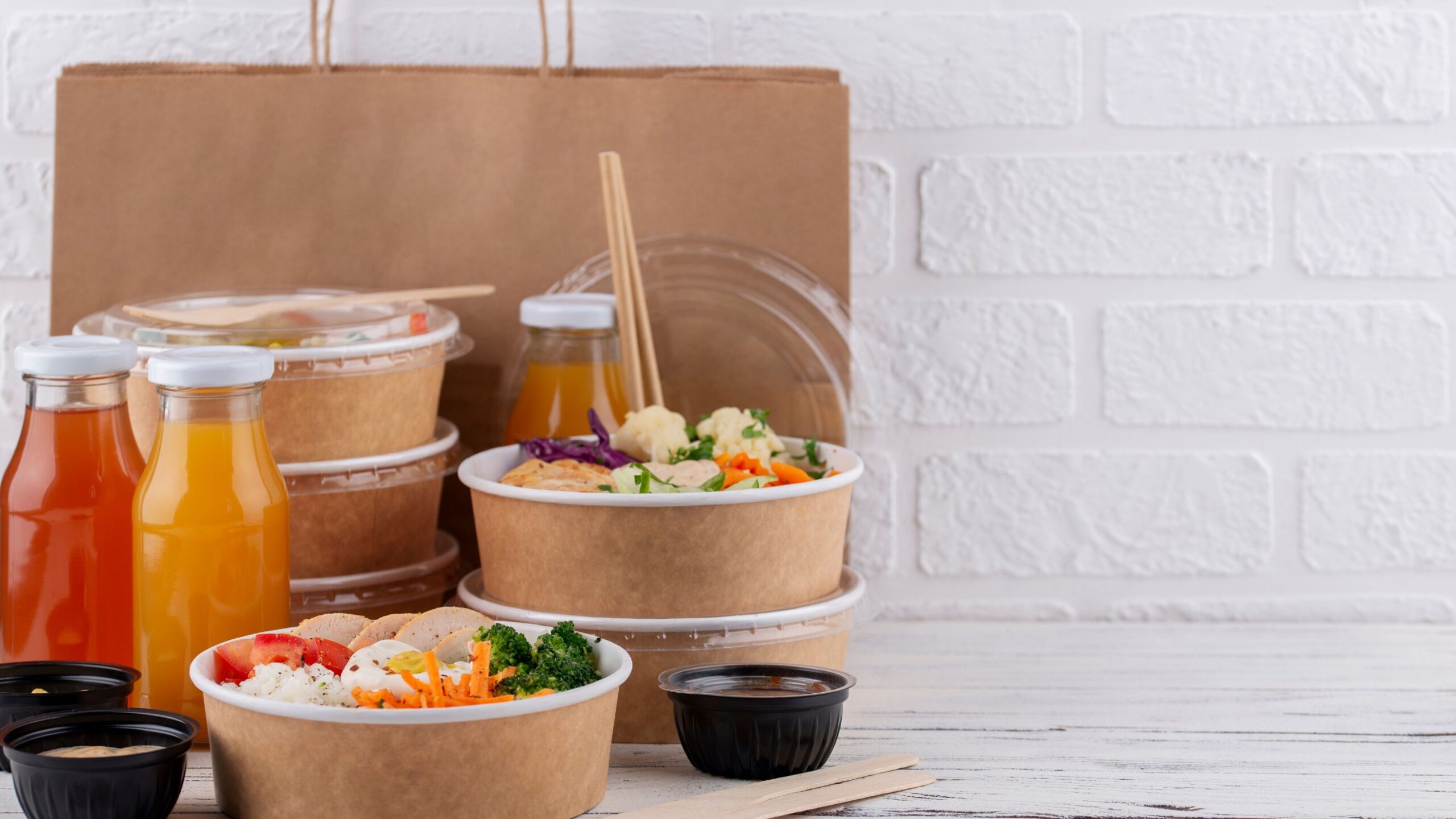
Balanced Nutrition With Takeaway Meals: A Practical Guide for Real Life
Most nutrition advice assumes you cook at home every night, but that is not how many people eat. Between long workdays, late meetings, family commitments, and the simple relief of not having to wash up, takeaway and meal delivery can become part of a normal routine. The good news is that balanced nutrition with takeaway meals is absolutely possible. It just takes a more realistic approach than trying to make every order look like a perfect home-cooked plate.
What Balanced Nutrition Actually Means When You’re Ordering In
Balance does not mean every meal has to hit an ideal macro split. That standard is too rigid to be useful, and it can make eating feel more stressful than supportive. A better question is whether your meals, over the course of a day or week, include a decent mix of protein, fibre, healthy fats, and a range of vitamins and minerals.
Takeaway meals often lean heavily toward refined carbohydrates, salt, and larger portions, with fewer vegetables than you might serve yourself at home. That is not a failure on your part; it is simply the way many menu items are designed. Once you know that pattern, it becomes much easier to make small adjustments that improve the overall meal.
According to the NHS Eatwell Guide, a balanced diet includes plenty of fruit and vegetables, starchy foods where possible in wholegrain form, protein from varied sources, and limited saturated fat, salt, and added sugars. You can still work toward those goals when you rely on delivery or takeaway.
Building a Better Plate From a Takeaway Menu
The idea of a balanced plate translates well to delivery orders. When you are scanning a menu, think about four simple elements:
1. A Protein Anchor
Protein helps keep you fuller for longer and supports steadier energy after a meal. Look for dishes where chicken, fish, eggs, tofu, beans, lentils, or lean meat are the main feature rather than a small add-on. A chicken rice bowl, a lentil curry, or grilled fish with sides will usually be more satisfying than a meal built mostly around bread or pasta.
2. Fibre From Vegetables or Legumes
This is where many healthy takeaway meals fall short. Delivery food can be light on vegetables, or the vegetables may be too small a part of the dish to make much difference. A simple fix is to add a salad, choose a bean- or lentil-based side, or order a dish that already includes vegetables in a meaningful way. Even a basic side of broccoli, greens, or a tomato-based salad can make a noticeable difference.
3. Colour as a Quick Check
If everything on the plate looks beige, the meal may be missing some variety. That is not a strict rule, just a useful shortcut. Adding something green, red, or orange — such as peppers, cucumber, tomatoes, spinach, or a side salad — is an easy way to improve the meal without making it complicated.
4. Portion Awareness Without Obsession
Takeaway portions are often generous, which is part of the appeal. You do not need to weigh your food or count every bite, but it helps to notice when one container clearly contains more than one serving. Saving half for lunch the next day is a practical option, and it can make your order go further too.
Balanced Nutrition With Takeaway Meals by Cuisine Type
Different cuisines offer different opportunities, so it helps to know what to look for when ordering.
Indian and South Asian
Indian food can work very well for balanced eating. Lentil dishes such as dal, chickpea curries, and rajma provide fibre and plant protein, while vegetable dishes like saag or mixed vegetable curries add useful micronutrients. The main things to watch are rich cream-based sauces, very large portions of bread, and sides that push the meal toward excess without adding much variety. A tandoori protein with a lentil or vegetable dish, plus a sensible portion of rice or one roti, is a strong choice.
East Asian
Chinese, Japanese, and Thai menus vary a lot, but there are good options in each. Japanese meals such as sushi, sashimi, miso soup, and edamame can be lighter and protein-rich. Chinese takeaway is often best when you choose stir-fries with vegetables and lean protein rather than deep-fried dishes in heavy sauce. Thai food can also be a good fit, especially dishes with herbs, vegetables, and protein such as larb or papaya salad. Across all of these, sodium can be high, so it is worth keeping that in mind.
Pizza and Western Fast Food
These meals are often treated as a nutritional dead end, but they do not have to be. A pizza with vegetable toppings, a thinner base, and a side salad can be a perfectly reasonable meal. With burgers or fried chicken, choosing grilled options where available and adding a salad or vegetable side can make the meal more balanced. You do not need to turn it into a “diet” meal — just round it out a little.
Wraps, Bowls, and Fast-Casual
Build-your-own meals are often the easiest way to support meal delivery nutrition because you can shape the order yourself. Start with protein, add vegetables, go lighter on sauces and cheese if needed, and choose a base that gives you enough energy without making the meal feel too heavy. These menus usually offer more flexibility than people realise.
What to Do Around the Meal, Not Just During It
Nutrition on a busy schedule is not only about what you order. The habits around the meal matter too. A few simple routines can make a real difference:
-
Keep easy additions at home. A bag of pre-washed salad leaves, a tin of chickpeas, or frozen edamame can turn a lighter delivery meal into something more complete with almost no effort.
-
Do not skip earlier meals to “save room.” Arriving at dinner extremely hungry often leads to larger orders and faster eating. A light lunch or afternoon snack can help keep hunger more manageable.
-
Drink water with your meal. Delivery food is often salty, so staying hydrated is a sensible habit, especially if you notice bloating after takeaway.
-
Eat off a plate when you can. It sounds small, but it helps with portion awareness and makes the meal feel more intentional.
Consistency Across the Week Matters More Than Any Single Meal
One takeaway meal, even a richer one, does not undo a generally balanced routine. The same is true in reverse: one healthy meal will not compensate for a week of poor sleep, low variety, and skipped meals. What matters most is the overall pattern across the week.
If you order takeaway three or four times a week, even a couple of small changes in each order can make a meaningful difference. You do not need to get everything right every time. You just need a routine that is steady enough to support you over time.
If you are finding it hard to build consistent habits around food and energy, it may help to look at your wider routine too. Our article on how to build a morning wellness routine that actually sticks covers practical ways to anchor healthy habits at the start of the day, which can make later choices feel easier.
Where Supplements Fit — and Where They Don’t
Supplements can help fill specific gaps, but they are not a replacement for a broadly balanced diet. If takeaway is your default most nights, supplements should be seen as support, not a shortcut around vegetables, protein, and variety.
That said, some nutrients are harder to get consistently from a delivery-heavy routine. Fibre is one, since many takeaway meals are low in it. Vitamin D is another, because food is not the main source for most people. Omega-3 intake can also be low if you rarely eat oily fish.
If you are often tired or struggling with focus, it may be worth reading about vitamins for energy and fatigue for a grounded look at what the evidence supports. And if work stress and poor sleep are part of your picture, the urban professional’s supplement guide may be useful too.
One practical note: if you do take supplements, timing can affect absorption. Fat-soluble vitamins such as A, D, E, and K are generally better absorbed with a meal that contains some fat, which is often easy enough to manage with takeaway. For more detail, our guide on taking vitamins with food explains this clearly.
A Note on Sodium and Hidden Ingredients
Takeaway and delivery food is often high in sodium, sometimes more than people expect. That is not a reason to avoid it altogether, but it is worth being aware of, especially if you notice bloating after salty meals or have been advised to watch your salt intake. Drinking enough water, including potassium-rich foods such as bananas, potatoes, and leafy greens across the week, and avoiding extra salt at the table are all sensible ways to keep things in check.
Frequently Asked Questions
Can takeaway meals be part of a balanced diet?
Yes. Balance is about the overall pattern of eating, not whether every single meal is perfect. Takeaway can absolutely fit into a balanced diet when you choose meals with protein, vegetables, and enough variety across the week.
How do I make meal delivery healthier?
Start with small, realistic changes. Choose meals with a clear protein source and some vegetables, add a simple side when needed, and pay attention to portion size. Small adjustments like these are often easier to keep up than a complete overhaul.
What should I look for when ordering takeaway?
Look for a meal that includes protein, some fibre, and at least one vegetable component. Try to avoid orders that are entirely fried or very cream-heavy if you can. If the menu is limited, you can often improve the meal at home with something quick and simple, such as salad leaves, beans, or chopped vegetables.
Do I need supplements if I eat takeaway often?
Not necessarily. It depends on what you eat overall and whether there are clear gaps in your diet. Fibre, omega-3s, and vitamin D are common areas to review, but it is better to look at your full pattern before deciding. A personalised quiz or a conversation with a healthcare professional can help you work out what is actually useful.