Niacin benefits, flush, and when to supplement
Niacin benefits are often discussed alongside energy, skin health, and cholesterol, but the topic gets messy fast because vitamin B3 comes in a few forms and one of them can cause a very noticeable flush. If you have ever looked at a B3 supplement and wondered whether the redness means it is “working,” or whether niacin is really useful for fatigue, this guide should clear things up. We will separate food intake from supplements, explain the difference between niacin and niacinamide, and cover when niacin makes sense — and when it does not.
What niacin is, and how it differs from niacinamide
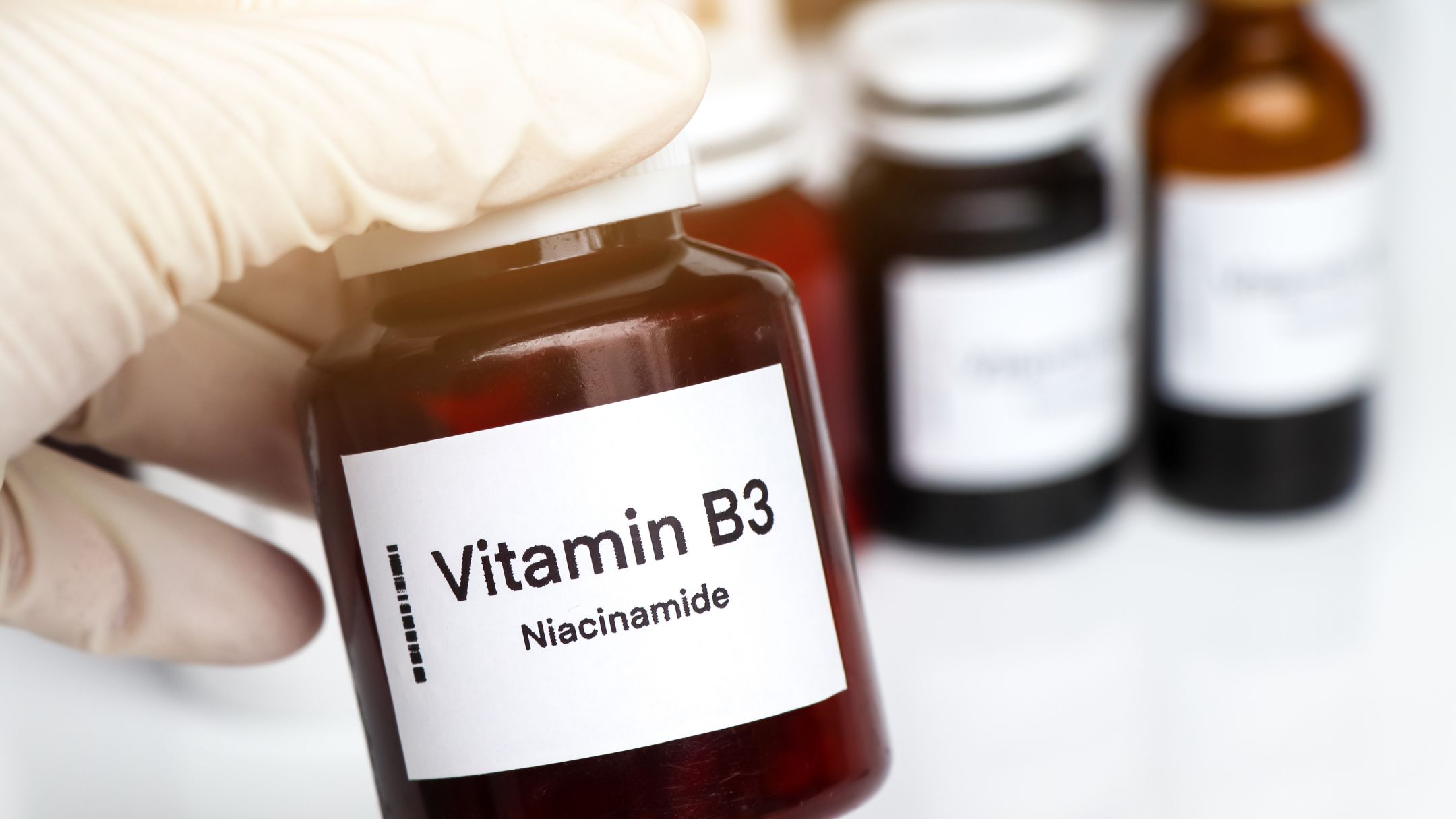
Niacin is the umbrella name for vitamin B3, a nutrient the body uses in many enzyme-driven processes, especially those involved in turning food into usable energy. You may see it listed as niacin, nicotinic acid, or niacinamide (also called nicotinamide). They are related, but they are not identical.
Nicotinic acid is the form most associated with flushing. Niacinamide does not usually cause the same flush, and it is more often used in skin care products and some supplements. Both are forms of B3, but they are not interchangeable in every setting. If you are reading labels, that distinction matters.
For a broader look at how B vitamins fit into energy and fatigue questions, see our guide to vitamins for energy and fatigue.
Niacin benefits: where it can help, and where expectations need to stay realistic
The main niacin benefits come from its role in normal metabolism. Niacin helps the body make coenzymes that support cellular energy production, DNA repair, and the function of the nervous system and skin. That does not mean a niacin supplement will suddenly erase tiredness if the real issue is poor sleep, low iron, thyroid disease, or stress. It does mean niacin is essential for basic health, and low intake can matter.
1) Metabolism and energy support
Niacin helps the body process carbohydrates, fats, and protein. Because of that, people sometimes assume more niacin means more energy. In reality, niacin helps normal energy metabolism; it is not a stimulant. If someone is already getting enough B3 from food, extra niacin is unlikely to provide a noticeable boost.
2) Skin and nervous system support
Niacin contributes to healthy skin and normal nerve function. Severe deficiency can show up in the skin and nervous system, which is one reason B3 gets attention in clinical nutrition. But mild day-to-day skin issues are not a reason to self-prescribe high-dose niacin. Skin complaints have many causes, and treatment depends on the cause.
3) Cholesterol use is medical, not casual
High-dose niacin has been used in the past to affect blood lipids, but this is a medical decision, not a wellness trend. The role of niacin for cholesterol has become more limited because benefits need to be weighed against side effects and the availability of other treatments. If cholesterol management is your goal, it is best handled with a clinician rather than a self-selected supplement plan.
Niacin is one of several B vitamins that should be considered in context. If you are comparing products, our article on vitamin B6 benefits and deficiency is a useful companion read.
What niacin flush is, why it happens, and how to reduce discomfort
Niacin flush is the most talked-about side effect of nicotinic acid. It usually causes warmth, redness, tingling, or itching in the face, neck, and upper body. For some people it lasts a short time and fades on its own. For others, it is uncomfortable enough that they stop taking the supplement.
The flush happens because niacin can trigger the release of certain skin blood vessels to widen. That increase in blood flow is what causes the visible redness and heat. It can feel alarming if you do not expect it, but a flush is not the same thing as an allergic reaction.
How to reduce flush
- Choose niacinamide if your goal does not require nicotinic acid and your clinician agrees.
- Take niacin with food, unless you were told otherwise.
- Avoid alcohol around dosing, since it may make flushing worse for some people.
- Use the exact dose recommended on the label or by a clinician.
- Ask a pharmacist or clinician before using extended-release products, which have different safety considerations.
If you are unsure whether the reaction you are having is a typical flush or something more serious, stop the supplement and ask for medical advice. Symptoms such as swelling, trouble breathing, hives, or severe dizziness are not normal flush symptoms.
Signs of niacin deficiency and who may be at risk
Niacin deficiency is uncommon in many places, but it can happen. Severe deficiency is classically associated with pellagra, which is known for skin changes, digestive symptoms, and neurological problems. You do not need to memorize the textbook picture to take deficiency seriously; the point is that low niacin intake can affect multiple systems.
People at higher risk may include those with very limited diets, chronic alcohol misuse, certain digestive disorders that affect absorption, or conditions that increase nutrient needs. Some medications can also interfere with nutrient status. If you are dealing with ongoing digestive symptoms, unexplained fatigue, skin changes, or memory or mood concerns, it is better to investigate the cause than to guess at supplements.
For background on nutrient combinations and timing, see what vitamins should not be taken together.
When people consider supplementation
Most people can meet their niacin needs through food. Supplementation is usually considered when intake is low, absorption is impaired, or a clinician recommends a specific form or dose for a defined reason. That is very different from taking niacin because you feel tired or want a general health boost.
There are a few situations where a clinician may discuss a B3 supplement:
- Documented or suspected deficiency
- Dietary restrictions that make it hard to meet needs
- Specific medical uses under supervision
- Combined nutrition support when multiple deficiencies are being reviewed
If your main concern is fatigue, niacin is only one piece of the puzzle. Our article on vitamins for energy and fatigue explains why tiredness usually needs a broader look.
Need help comparing B vitamins or understanding supplement labels? Explore our related guides or consult a healthcare professional.
Visit CarePlus to learn more about personalized wellness support. Our quiz takes about 5 minutes and can help you narrow down what to discuss next.
Food sources: where niacin fits into a normal diet
Food is the best starting point for most people. Niacin is found in a range of animal and plant foods, and the body can also make some niacin from tryptophan, an amino acid found in protein-containing foods. That means balanced eating patterns usually cover the basics without much effort.
Common niacin-containing foods include poultry, fish, meat, peanuts, mushrooms, and enriched grains. Fortified foods can also contribute. Rather than chasing a single “superfood,” it is smarter to look at your overall diet pattern.
If you want to understand how one B vitamin compares with another, our guide to vitamin B6 benefits and deficiency may help put the picture in context.
Safety notes, interactions, and when to ask a clinician
Niacin is not automatically harmless just because it is a vitamin. Dose matters. High intakes can cause side effects, and the risk profile depends on the form used. Liver issues, blood sugar changes, and digestive discomfort are among the concerns that may come up with higher-dose niacin, especially when used without supervision.
People with liver disease, diabetes, gout, a history of stomach ulcers, or those taking prescription medicines should be especially careful. Niacin can also interact with other supplements or medications, so it is worth checking before starting anything new.
For a solid, evidence-based overview of niacin and flushing, the NHS niacin information page is a helpful reference. It is a good reminder that the best supplement plan is the one matched to a real need.
When not to self-treat
Do not use niacin to treat unexplained fatigue, numbness, rash, or memory changes without a proper assessment. Those symptoms can point to many different causes, and supplementing blindly can delay the right diagnosis. If you are already taking multiple vitamins, it is also sensible to review the full stack rather than adding another product on top.
How CarePlus can help you sort through the options
At CarePlus, we focus on practical guidance, not supplement hype. If you are comparing B vitamins, trying to read a label, or deciding whether a vitamin B3 product belongs in your routine, a short personalized check-in can help you ask better questions before you buy anything. The goal is not to push more supplements. It is to help you match the right approach to your actual needs.
Start with your diet, your symptoms, and any medicines you already take. Then decide whether a conversation with a pharmacist, dietitian, or doctor makes more sense than a bottle from the shelf.
FAQ
What is niacin flush and is it dangerous?
Niacin flush is a temporary redness, warmth, tingling, or itching that can happen after taking nicotinic acid. It is usually uncomfortable rather than dangerous, but it should not be ignored if symptoms are severe or if you also have swelling, breathing trouble, or hives. Those are not typical flush symptoms and need medical attention.
What are the benefits of niacin?
Niacin supports normal energy metabolism, skin health, and nervous system function. It is essential for health, and deficiency can cause serious problems. That said, extra niacin is not a cure for low energy in general, and high-dose use should only happen with professional guidance.
What foods contain niacin?
Niacin is found in poultry, fish, meat, peanuts, mushrooms, and enriched grains. Many balanced diets provide enough B3 without a supplement. If your diet is limited, or you have a condition that affects absorption, a clinician can help you assess whether intake is adequate.
When should you take niacin as a supplement?
Only take niacin as a supplement when there is a clear reason, such as a diagnosed deficiency, a clinician’s recommendation, or a specific medical plan. If you are taking it on your own for fatigue or cholesterol, it is worth pausing and getting advice first, because the right form and dose matter.
Bottom line
Niacin benefits are real, but they are often overstated. Vitamin B3 helps the body make energy, supports skin and nerve function, and plays a role in preventing deficiency. The flush is common with nicotinic acid and is usually a side effect of the supplement, not a sign of danger. For most people, food is enough. Supplementation makes sense when there is a specific need and the form, dose, and risks have been reviewed properly.
If you are trying to decide whether niacin belongs in your routine, start with the basics: diet, symptoms, medicines, and any existing conditions. That is the safest way to make B3 work for you, rather than against you.
Author: CarePlus Editorial Team