Zinc Deficiency Symptoms: The Mineral Your Immune System Can’t Work Without
Zinc is a vital nutrient that quietly supports many essential functions in your body. It plays a key role in maintaining a strong immune system, aiding wound healing, sharpening your senses, and regulating hundreds of enzymes crucial for daily health. Recognizing zinc deficiency symptoms early is important because even mild shortages can weaken your immune defenses and affect overall wellbeing. This article explains zinc’s role in the body, how to identify deficiency signs, what causes it, and practical steps to address it.
What Zinc Actually Does in the Body
Zinc is an essential trace mineral that your body cannot produce, so it must be obtained through diet or supplements. It acts as a cofactor in over 300 enzymatic reactions involved in DNA synthesis, protein production, cell division, and tissue repair.
From an immune perspective, zinc is critical. It supports the development and function of neutrophils, natural killer cells, and T-lymphocytes—the frontline defenders of your immune system. Zinc also helps produce cytokines, the signaling proteins that coordinate immune responses to infection or injury.
Beyond immunity, zinc contributes to:
-
Wound healing — by supporting collagen synthesis and regulating inflammation
-
Taste and smell — essential for the enzyme gustin, which maintains taste receptor function
-
Skin health — helps regulate oil production and reduces inflammation
-
Hormonal balance — important for testosterone production and thyroid function
-
Cognitive function — concentrated in the hippocampus, influencing neurotransmitter activity
Research on PubMed confirms zinc’s essential role in immune health, showing that even mild deficiency can impair lymphocyte function and reduce infection-fighting capacity. Zinc is far from a minor mineral—it’s central to your body’s optimal performance.
Common Zinc Deficiency Symptoms
Identifying zinc deficiency symptoms can be challenging because they often overlap with other health issues. However, certain patterns commonly indicate low zinc levels.
Immune and Infection-Related Signs
Frequent colds, prolonged recovery from illness, or infections that linger may signal weakened immunity linked to zinc deficiency. If you find yourself catching every bug or your immune system feels sluggish, zinc status is worth evaluating.
Skin and Hair Changes
Persistent acne, dry or flaky skin, eczema-like patches—especially around the mouth, eyes, and extremities—can be signs of zinc deficiency. Hair thinning or increased shedding is also reported, as zinc supports hair follicle growth. Slow-healing cuts and wounds are another hallmark.
Loss of Taste and Smell
A diminished sense of taste (hypogeusia) or smell (hyposmia) is a classic symptom. Since zinc is essential for taste receptor cells, food may taste bland or smells less distinct without an obvious cause.
Fatigue and Low Mood
Zinc influences neurotransmitters like serotonin. Low levels have been linked to increased anxiety, depressive symptoms, fatigue, difficulty concentrating, and irritability. While these symptoms are non-specific, they can be part of the zinc deficiency picture.
Appetite Changes and Digestive Issues
Loss of appetite is common, especially in older adults and children. Some experience diarrhea, which can worsen zinc status by reducing absorption, creating a challenging cycle.
Hormonal and Reproductive Effects
In men, zinc deficiency can lower testosterone and affect sperm quality. In women, it may disrupt menstrual cycles. In children, severe deficiency can delay growth—a serious concern in regions with inadequate dietary zinc.
Who Is Most at Risk?
Zinc deficiency is more common than many realize. While severe cases are rare in well-nourished populations, mild to moderate deficiencies can still impact health.
Dietary Risk Factors
Vegetarians and vegans may face challenges because plant foods contain phytates—compounds that bind zinc and reduce absorption. Diets high in processed foods but low in meat, shellfish, and whole foods also increase risk.
Digestive and Absorption Issues
Conditions like Crohn’s disease, celiac disease, and ulcerative colitis impair zinc absorption. Bariatric surgery patients and those with chronic diarrhea are also at higher risk.
Life Stage Considerations
Pregnant and breastfeeding women require more zinc. Older adults often absorb zinc less efficiently and may consume less variety. Infants exclusively breastfed beyond the first months may need additional zinc as breast milk zinc declines.
Other Contributing Factors
Heavy alcohol use interferes with zinc absorption and increases excretion. Certain medications, such as diuretics, ACE inhibitors, and proton pump inhibitors, can lower zinc levels over time.
How Zinc Deficiency Is Tested
Testing for zinc deficiency can be complex. The most common method is a serum or plasma zinc test, measuring circulating zinc in the blood. However, this reflects only about 0.1% of total body zinc and can be influenced by recent meals, infections, or inflammation. A normal test doesn’t always rule out deficiency.
Other tests include urine zinc, red blood cell zinc, and hair mineral analysis, but each has limitations. Clinicians often combine test results with symptoms, dietary history, and response to supplementation to assess zinc status.
If you experience multiple symptoms and belong to a risk group, discuss testing with your GP or a registered dietitian. Avoid self-diagnosing or high-dose supplementation without professional guidance.
Foods High in Zinc
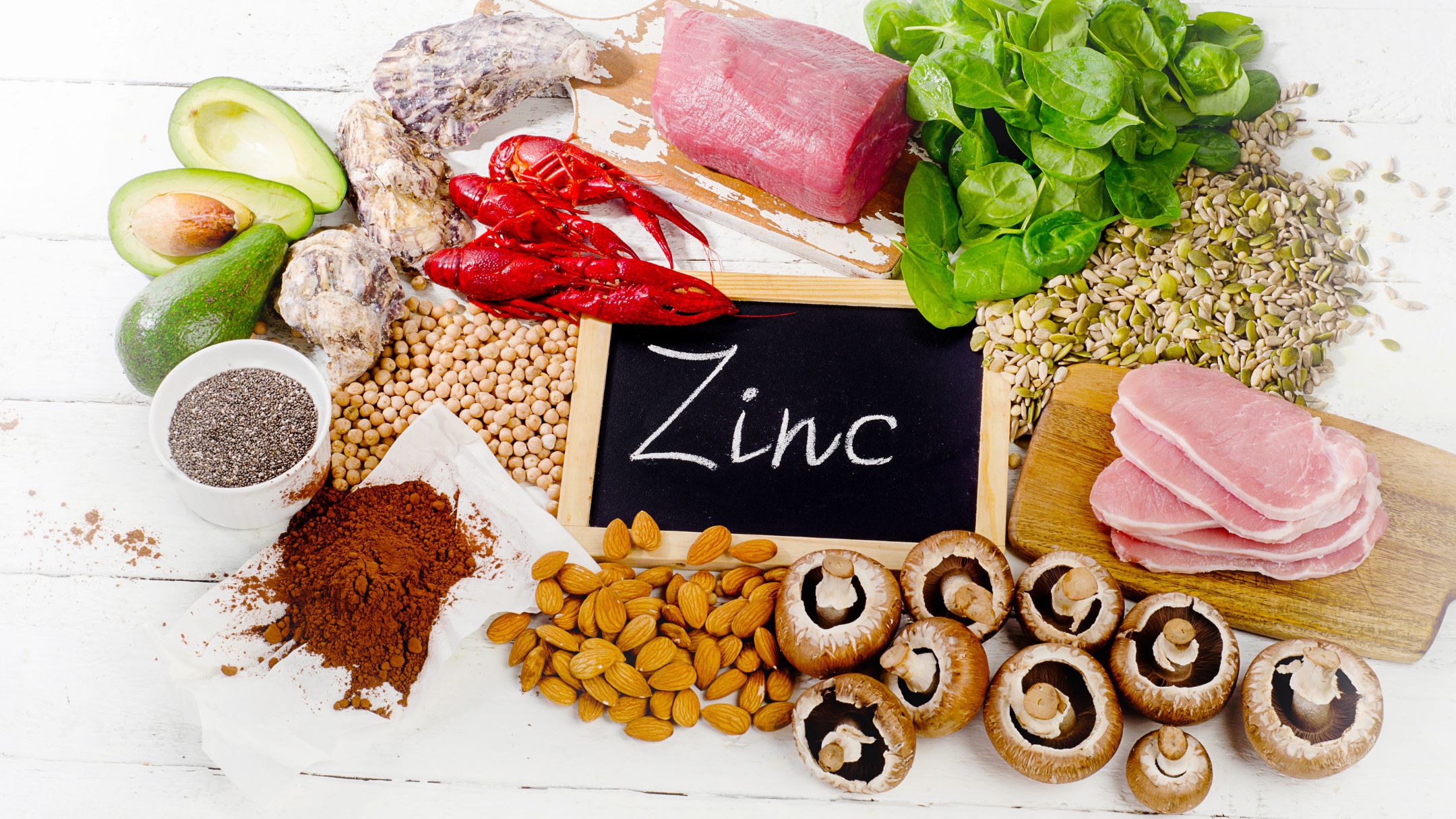
Diet is the best way to maintain healthy zinc levels. Animal proteins provide zinc in forms your body absorbs well.
-
Oysters — the richest source of zinc per serving
-
Beef, lamb, and pork — excellent sources of bioavailable zinc
-
Shellfish — crab, lobster, and mussels offer good amounts
-
Poultry — chicken and turkey provide moderate zinc
-
Pumpkin seeds and hemp seeds — among the best plant-based sources
-
Legumes — chickpeas, lentils, and beans contain zinc but with lower absorption due to phytates
-
Whole grains — especially wheat germ and oats
-
Dairy and eggs — modest but helpful contributors
-
Fortified cereals — zinc content varies, so check labels
If your diet includes meat and seafood regularly, you’re likely meeting your zinc needs. For plant-based eaters, soaking or fermenting legumes and grains can reduce phytate levels and improve zinc absorption.
Zinc and the Immune System
Zinc’s role in immunity is well-established. It supports both innate immunity (your body’s immediate defenses) and adaptive immunity (targeted responses to specific pathogens).
Zinc deficiency causes thymic atrophy, shrinking the thymus gland where T-cells mature, reducing immune cell availability. It also acts as an antioxidant and anti-inflammatory agent, protecting tissues from damage during immune responses. Zinc maintains the integrity of physical barriers like skin and gut lining, your first defense against pathogens.
During illness, zinc is rapidly redistributed in the body, and serum levels may drop. While zinc lozenges have mixed evidence for reducing cold duration, maintaining adequate zinc status beforehand is key to supporting immune resilience.
Check Your Zinc Levels and Support Your Immune System
If you’re unsure whether your diet and supplements cover your zinc needs, CarePlus can help. Our personalised wellness assessment takes about 5 minutes and identifies potential nutritional gaps so you can make informed decisions.
Check your zinc levels and strengthen your immune system with informed choices.
Zinc Supplements: When They Make Sense
Zinc supplements come in various forms—zinc gluconate, citrate, picolinate, and oxide—with differing absorption rates. Zinc picolinate and citrate are generally better absorbed than oxide, though differences may be modest for most people.
The UK’s NHS recommends obtaining zinc primarily from a balanced diet and cautions against high-dose supplements. Taking more than 25 mg of zinc daily over time can interfere with copper absorption, leading to anemia and neurological issues. High-dose zinc should only be taken under medical supervision.
For confirmed or suspected deficiency, or if you’re in a high-risk group, a supplement of 7–15 mg daily alongside dietary zinc is usually enough to restore balance without risking copper depletion. Consult a healthcare professional for personalized advice.
Take zinc supplements with food to reduce nausea, a common side effect. Avoid taking zinc simultaneously with iron supplements or calcium-rich meals, as they can hinder absorption.
Preventing Zinc Deficiency: A Practical Summary
To prevent zinc deficiency, focus on these habits:
- Eat a varied diet with regular servings of zinc-rich foods, especially animal proteins if not plant-based
- If plant-based, include seeds, legumes, and whole grains, and consider soaking or sprouting to improve absorption
- Be mindful of life stages and conditions that increase zinc needs or reduce absorption
- Check multivitamin labels for zinc content to ensure adequate intake
- Avoid high-dose zinc supplements without testing or professional guidance
- If you suspect deficiency, seek testing rather than guessing
For more on nutritional gaps and wellbeing, see our guide on recognising common signs of nutritional deficiency. To learn about other minerals supporting immunity, explore our articles on magnesium deficiency symptoms and essential nutrients for immune function.
Frequently Asked Questions
What are the symptoms of zinc deficiency?
Common symptoms include frequent infections or slow recovery, loss of taste or smell, skin issues like acne or slow-healing wounds, hair thinning, fatigue, low appetite, and impaired growth in children. Because symptoms overlap with other conditions, testing is recommended if you have concerns.
How does zinc support the immune system?
Zinc is essential for developing and activating immune cells such as T-lymphocytes and natural killer cells. It regulates inflammation, maintains skin and gut barriers, and acts as an antioxidant. Even mild deficiency can reduce immune effectiveness.
Can zinc deficiency be reversed with diet alone?
Often yes, especially with mild deficiency and no absorption issues. Increasing zinc-rich foods like oysters, red meat, seeds, and legumes can improve levels. However, if absorption is impaired or deficiency is severe, supplements may be necessary alongside medical treatment.
When should I consider zinc supplements?
Consider supplements if testing confirms low zinc, if you’re in a high-risk group (e.g., vegan, pregnant, older adult, or with absorption issues), or if symptoms persist despite dietary efforts. Always consult a healthcare professional before starting supplements, especially at higher doses.
About the author: This article was written and reviewed by the CarePlus Editorial Team—a group of wellness writers, registered nutritionists, and health editors dedicated to accurate, practical health content.
Disclaimer: This article is for informational purposes only and does not replace professional medical advice. CarePlus is a personalised wellness platform and does not diagnose or treat medical conditions. Always consult your GP or a registered dietitian before starting any new supplement regimen.