Vitamins for Vegans: The Complete Deficiency Prevention Guide
A well-planned vegan diet can be genuinely nourishing, but “well-planned” is the key phrase. Vitamins for vegans deserve a little extra attention because some nutrients are missing from plant foods altogether, while others are harder for the body to absorb from plants. If those gaps are left unaddressed, the signs are usually gradual rather than dramatic: fatigue, brain fog, brittle nails, low mood, or a sense that something is off. This guide covers the nutrients most likely to need attention, how food and supplements work together, and when it makes more sense to test than to guess.
The Most Important Nutrients to Watch on a Vegan Diet
Removing animal products does not automatically mean a vegan diet is lacking. It does mean a few nutrients need deliberate planning. The nutrients that come up most often in discussions of vegan vitamin deficiency are:
-
Vitamin B12
-
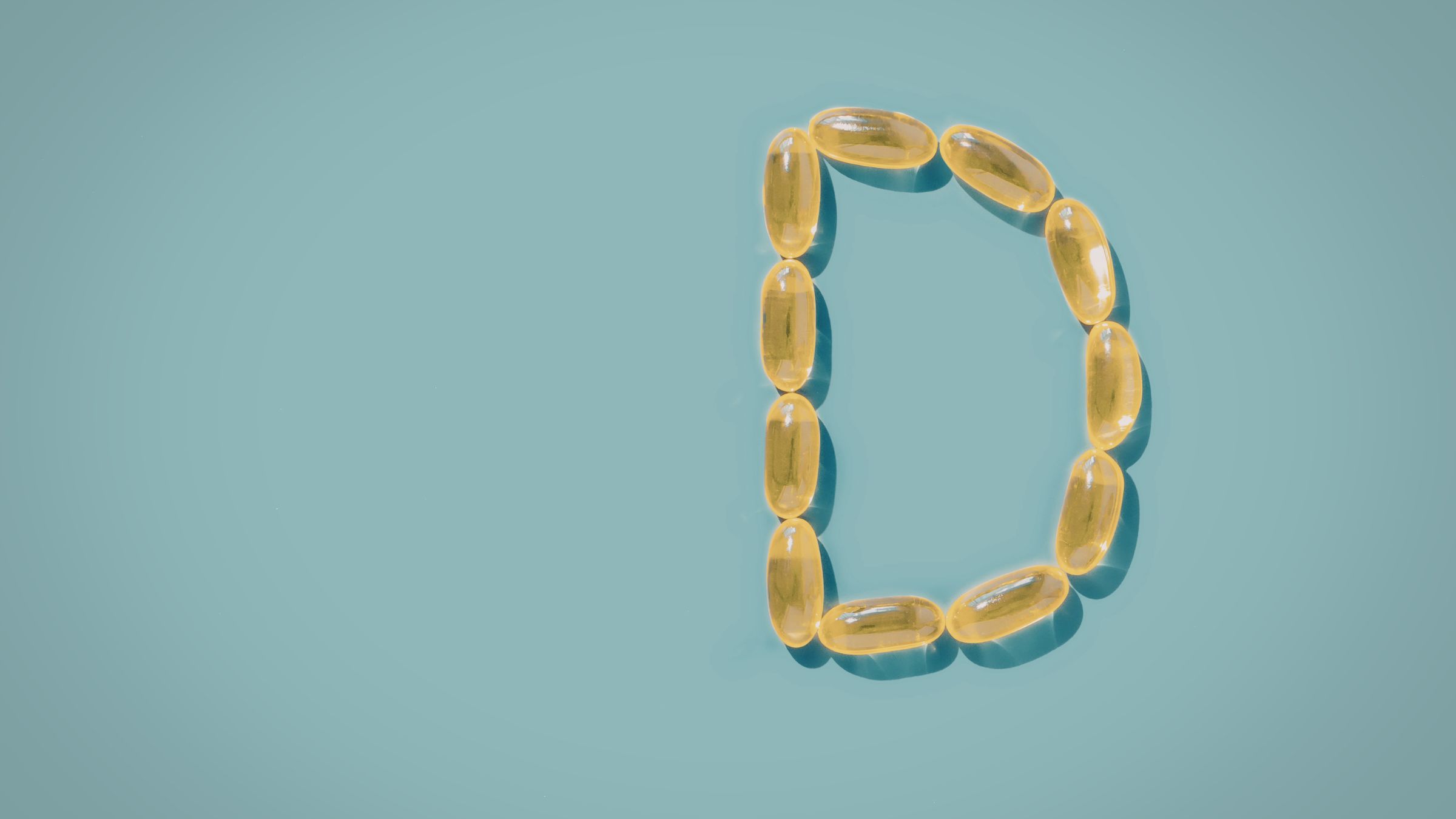
Vitamin D
-
Iron
-
Iodine
-
Calcium
-
Zinc
-
Selenium
-
Long-chain omega-3 fatty acids (EPA and DHA)
Some of these, like vitamin D, are common concerns for many people, not just vegans. Others, like B12, are especially important for people who eat no animal products at all. Knowing which nutrients vegans need most helps you focus on the essentials without overcomplicating your routine.
Why B12 Is Non-Negotiable for Vegans
Vitamin B12 is made by microorganisms, not plants. In practical terms, that means meaningful amounts are found only in animal-derived foods such as meat, fish, eggs, and dairy. Algae and fermented foods are often mentioned as plant-based sources, but they are not reliable enough to count on. The NHS is clear on this point: vegans need to get B12 from fortified foods or supplements.
B12 deficiency can be easy to miss because it often develops slowly. The body stores B12 in the liver, so symptoms may take years to show up. By then, signs such as tingling in the hands and feet, extreme tiredness, memory problems, or trouble walking may already be present. This is one area where the advice is straightforward: B12 for vegans should come from a supplement or consistent fortified foods, not from hoping dietary intake will be enough.
How B12 Supplementation Works
The most common and well-studied supplement form is cyanocobalamin, which the body converts into the active forms it needs. Methylcobalamin is also available and may suit some people, but both forms are considered effective for most users.
Absorption is a little unusual. The body uses one pathway that saturates quickly and another that absorbs a small amount passively at higher doses. That is why both daily low-dose supplements and less frequent high-dose supplements can work. The important part is consistency. For a deeper look at dosing and forms, the B12 for Vegans and Vegetarians: The Complete European Guide explains the evidence in more detail.
Iron, Vitamin D, Iodine, Calcium, Zinc, and Selenium
Iron
Vegans get non-haem iron from foods like lentils, beans, tofu, seeds, fortified cereals, and dark leafy greens. This form is absorbed less efficiently than haem iron from meat, and absorption depends a lot on what else is eaten at the same meal. Vitamin C helps, while tea, coffee, and large amounts of calcium can reduce absorption.
The body does adapt to lower intakes over time, so many vegans maintain healthy iron status through food alone. Still, menstruating individuals, pregnant people, and athletes have higher needs and may want to monitor levels more closely. Fatigue linked to low iron is one of the most common reasons people seek testing; for a broader look at this symptom, see the Vitamins for Energy and Fatigue: What Actually Works guide.
Vitamin D
Vitamin D is made in the skin through sunlight, so it is not purely a dietary nutrient. Even so, many people in northern climates do not make enough during autumn and winter. Food sources include oily fish, eggs, and fortified products. Vegans can get vitamin D from fortified plant milks and cereals, UV-exposed mushrooms, and supplements. Vegan-friendly vitamin D3 is usually derived from lichen and is an effective option.
In the UK, most adults are advised to consider a 10 mcg (400 IU) daily supplement from October to March. People who are housebound, cover most of their skin, or have darker skin tones may benefit from year-round supplementation, depending on individual circumstances.
Iodine
Iodine is easy to overlook in vegan nutrition, but it matters. In the UK and much of Europe, dairy milk and white fish are major dietary sources, so people avoiding animal products may fall short if they do not plan for it. Seaweed can contain iodine, but the amount varies so much that it is not a dependable daily source. Some types, especially kelp, can provide too much.
Iodine supports thyroid hormone production, which affects metabolism, energy, and development. Pregnant and breastfeeding vegans should discuss iodine with a healthcare professional. For many adults who do not eat dairy or fish, a supplement providing around 150 mcg per day is a practical option, especially if fortified foods are not used consistently.
Calcium
Dairy is the main calcium source in many Western diets, but it is not the only one. Calcium-set tofu, fortified plant milks, white bread in the UK, almonds, sesame seeds, and green vegetables such as kale and bok choy all contribute. Spinach contains calcium, but it also contains oxalate, which reduces absorption, so it is not a dependable source on its own.
Vegans who regularly use fortified plant milk and eat a varied diet can often meet calcium needs through food. Those who rarely use fortified products may fall short and could benefit from a supplement, usually 500 mg or less per dose to support absorption.
Zinc
Plant foods contain zinc, but they also contain phytates, which can reduce how much zinc the body absorbs. Soaking, sprouting, and fermenting grains, legumes, and seeds can help improve availability. Many vegans do well with a varied diet, but people relying heavily on processed foods and eating fewer whole legumes and seeds may be more likely to run low.
Selenium
Selenium levels in plant foods depend heavily on the soil where they were grown. European soils tend to be lower in selenium than North American soils, which means low intake is a broader issue in Europe, not just among vegans. Brazil nuts are a well-known source, but the selenium content varies a lot, so they are not a precise daily strategy. For people in low-selenium regions or those who do not eat selenium-rich foods regularly, a supplement providing around 55–100 mcg per day can be a practical option.
Omega-3 for Vegans: A Specific Gap
Plant foods provide alpha-linolenic acid (ALA), found in flaxseeds, chia seeds, hemp seeds, and walnuts. The body can convert ALA into the long-chain omega-3s EPA and DHA, but the conversion is limited and varies from person to person. EPA and DHA are the forms used directly by the brain, heart, and eyes, and they are found in meaningful amounts mainly in oily fish and algae.
Algae-based omega-3 supplements provide EPA and DHA directly, which makes them the most reliable option for vegans who want to cover this gap. Whether you need one depends on your overall diet, ALA intake, and life stage. The full picture is covered in the Omega-3 for Vegans: Do You Really Need to Supplement? article.
Building a Practical Prevention Plan
There is no single vegan supplement stack that suits everyone, but a sensible starting point for many healthy adults looks like this:
-
B12: Daily supplement — non-negotiable.
-
Vitamin D: October to March at minimum; year-round if sun exposure is limited.
-
Iodine: If you are not using iodine-fortified foods consistently.
-
Algae-based omega-3: Especially if you do not eat oily fish.
-
Selenium: If you live in Europe and do not eat selenium-rich foods regularly.
Iron, calcium, and zinc are usually best handled through food first: fortified products, smart meal pairing, and dietary variety. Supplementation can be useful if blood tests show a shortfall. Taking iron without confirming deficiency is not a good idea, since too much iron can also cause problems.
A vegan multinutrient supplement can cover several bases at once and may be easier to manage than multiple separate products. The trade-off is less flexibility if you want to adjust one nutrient without changing the others. Either approach can work; the best one is the one you will actually keep up with.
Not sure which vegan nutrients you need?
Answer 5 questions. Get your personalized plan. Delivered in 30 daily sachets.
Who May Need Extra Monitoring
Athletes and People with High Activity Levels
Higher training loads can increase needs for several nutrients, especially iron, zinc, and B12. Vegan athletes who train hard should consider more frequent blood testing — at least once a year, and sooner if fatigue or performance changes are unexplained.
Pregnant and Breastfeeding People
Pregnancy increases needs for folate, iron, iodine, calcium, vitamin D, and B12. Vegan pregnancies are absolutely manageable, but they do require more careful planning and, in many cases, targeted supplementation beyond a standard prenatal vitamin. It is best to let your midwife or obstetrician know early so monitoring can be arranged.
Teenagers
Adolescence is a period of rapid growth, so calcium, iron, and zinc needs are high. Teenage vegans who are also eating too little overall may be at greater risk of falling short. Access to varied, nutrient-dense foods matters here, especially for parents supporting a teenager who has chosen a vegan diet.
Older Adults
B12 absorption tends to decline with age because stomach acid and intrinsic factor production can decrease. That makes older vegans more vulnerable to deficiency on top of the baseline dietary gap. Calcium and vitamin D also become more important for bone health, and limited sun exposure can add to vitamin D risk.
Signs That Warrant Testing Rather Than Guessing
Preventive supplementation is sensible, but some symptoms should prompt testing rather than self-treatment. A blood test can show whether a supplement is needed, whether your current dose is enough, and whether something else is going on.
Consider asking for a blood test if you notice:
- Persistent fatigue that does not improve with rest
- Numbness, tingling, or pins and needles in the hands or feet
- Unexplained hair thinning or loss
- Frequent infections or slow wound healing
- Difficulty concentrating or new memory lapses
- Palpitations or shortness of breath with mild exertion
- Feeling cold all the time, unexplained weight changes, or significant mood shifts, which can point to thyroid or iodine concerns
A standard panel for vegans might include a full blood count, serum B12, and ideally active B12 or methylmalonic acid for a more sensitive reading, plus ferritin, transferrin saturation, vitamin D (25-OH), and thyroid function. A GP or registered dietitian can help decide which tests make sense for your history and symptoms.
Frequently Asked Questions
What vitamins do vegans need to take?
Vitamin B12 is the one supplement all vegans should take, because there is no reliable plant-based dietary source. Vitamin D is recommended for most people in northern climates during the winter months, regardless of diet. Iodine, selenium, and algae-based omega-3s are worth considering if your diet is low in those nutrients. Iron, calcium, and zinc are usually best addressed through food first, with supplementation if testing shows a need.
Is B12 necessary for vegans?
Yes. B12 is found in meaningful, reliable amounts only in animal products. Plant foods do not provide active B12 in amounts that can be counted on over time, and the consequences of long-term deficiency can be serious, including irreversible neurological damage. Supplementation or consistent use of B12-fortified foods is the standard recommendation from health authorities, including the NHS.
Can vegans get enough iron from food alone?
Many vegans do maintain healthy iron status through food alone. Lentils, beans, tofu, seeds, fortified cereals, and dark leafy greens can all help. The key is to pair iron-rich foods with vitamin C and avoid tea or coffee right around meals. That said, people with higher needs — including menstruating individuals, pregnant people, and athletes — may need closer monitoring and, in some cases, supplementation. Ferritin testing is the most reliable way to know where you stand.
What deficiencies are common in vegans?
Research most consistently points to B12, vitamin D, iodine, and long-chain omega-3 fatty acids as the nutrients most likely to be low in vegan diets. Iron and zinc are less universally low, but they can be more challenging for vegans with high needs or limited dietary variety. Selenium is also worth watching in Europe because soil levels are often low across the region.