Should You Take Vitamins With Food? The Complete Guide to Taking Vitamins With Food
If you’ve ever wondered whether taking vitamins with food really makes a difference, you’re not alone. The short answer is: sometimes it does, and sometimes it doesn’t. Some nutrients absorb better with a meal, especially when fat is involved. Others are fine on an empty stomach, and a few are simply more likely to cause nausea if you take them without eating first. Knowing the difference can make your routine easier, more comfortable, and more effective.
Why Food Can Help or Hinder Vitamin Absorption
When you eat, your digestive system shifts into gear. Stomach acid rises, bile is released, and nutrients begin moving through the body in a more active way. For some supplements, that creates the right conditions for absorption. For others, food makes little difference, or can even slow things down.
Vitamins generally fall into two groups: fat-soluble vitamins — A, D, E, and K — and water-soluble vitamins, such as vitamin C and the B vitamins. Fat-soluble vitamins need dietary fat to be absorbed well, which is why they are often best taken with meals. Water-soluble vitamins do not need fat, but food can still help with tolerance and, in some cases, how comfortably they sit in your stomach.
Minerals also matter here. Iron, magnesium, and calcium each interact differently with food, and those interactions can affect both absorption and how you feel after taking them. The goal is not to follow a perfect set of rules. It is to find a routine that works in real life and supports steady use.
Vitamins and Nutrients That Work Best With Meals
Fat-Soluble Vitamins: A, D, E, and K
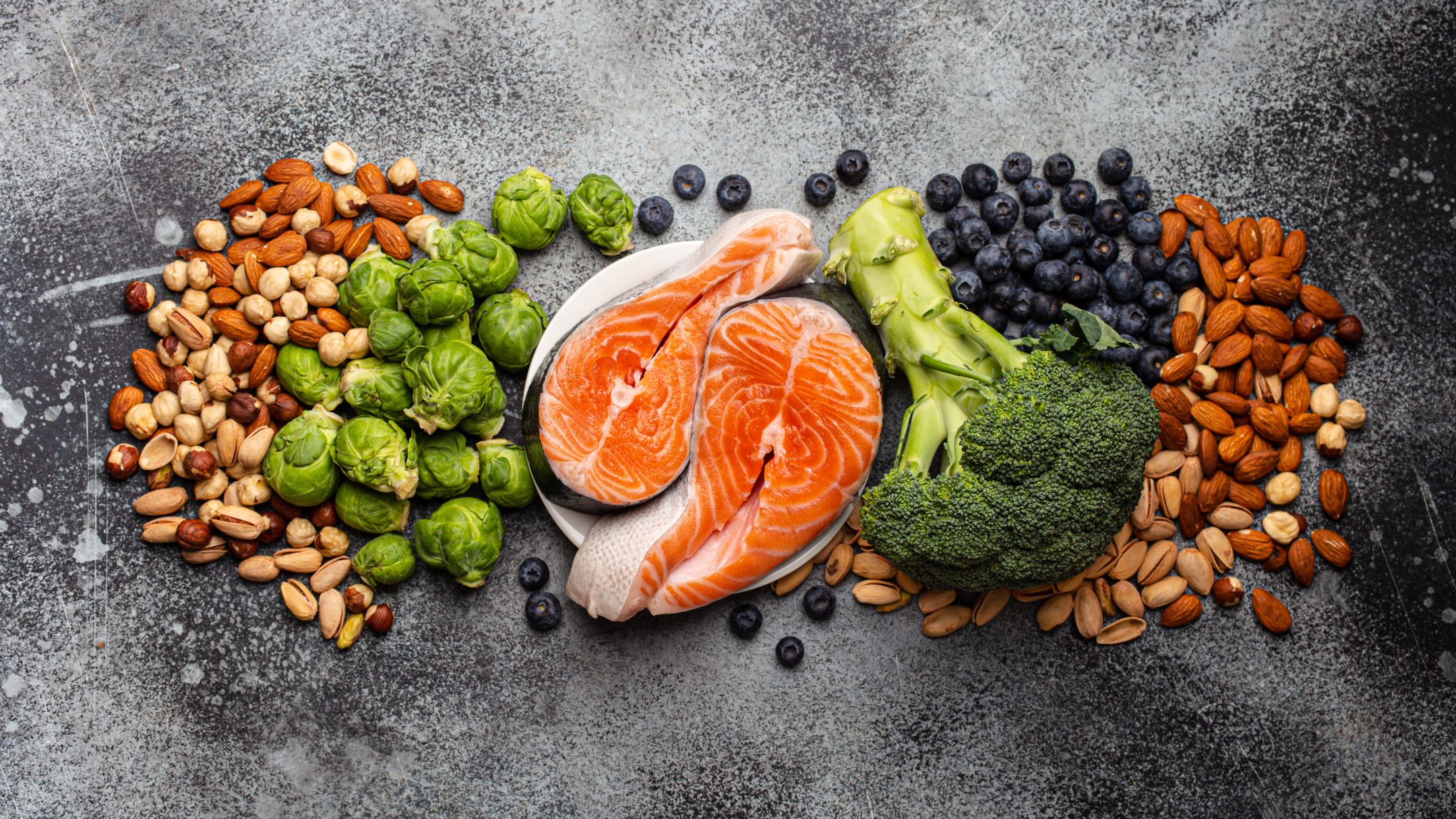
These vitamins are absorbed with the help of dietary fat. Research published on PubMed has shown that vitamin D absorption improves when it is taken with a meal that contains fat, compared with taking it without food. The same principle applies to vitamins A, E, and K. You do not need a heavy meal — a little fat from foods like avocado, nuts, eggs, yogurt, or olive oil is usually enough.
If your supplement includes vitamin D or K2, taking it with breakfast or lunch is often a simple way to support better vitamin absorption with food and make the habit easier to remember.
Iron Supplements
Iron is one of the trickier supplements. It can absorb well on an empty stomach, but that is also when it is most likely to cause nausea, cramps, or a queasy feeling. For many people, the practical answer is to take iron with a small meal or snack. That can reduce stomach upset without making the supplement unusable.
Vitamin C can help support iron absorption, whether it comes from food or a supplement. At the same time, it is best to avoid taking iron with calcium, dairy, or antacids, since these can interfere with absorption. If iron has been hard on your stomach, taking it with food is often the first adjustment worth trying.
Omega-3 Fatty Acids and Fish Oil
Fish oil is usually better with a meal. Food helps reduce the chance of aftertaste or fish burps, and taking it alongside dietary fat may support absorption. If possible, pair it with your largest meal of the day.
Magnesium
Magnesium is often taken in the evening, and dinner or a light snack can make it easier to tolerate. Some forms, especially magnesium oxide, may cause loose stools or nausea when taken on an empty stomach. Gentler forms like magnesium glycinate are often easier to handle, but food can still help.
Taking Vitamins on an Empty Stomach: When It Is Fine
Not every supplement needs to be taken with a meal. Some are fine on an empty stomach, and a few may even be better that way. The key is knowing which ones are more likely to cause issues if you take them without food.
Water-Soluble B Vitamins
B vitamins — including B12, B6, folate, thiamine, riboflavin, and niacin — dissolve in water and do not require fat for absorption. They can usually be taken at any time of day. That said, higher doses can sometimes cause flushing or mild nausea, especially when taken without food. If that happens, taking them with a meal is a perfectly reasonable fix.
Vitamin C
Vitamin C is also water-soluble and does not strictly need food. Lower doses are often well tolerated on an empty stomach, but larger amounts can irritate the stomach and cause discomfort. If you are taking more than 500 mg at a time, taking it with food or splitting the dose across the day may feel better.
Some Probiotics
Some probiotic products are designed to be taken before meals, while others are meant to be taken with food or at any time. This is one area where the label really matters. If the manufacturer gives specific timing instructions, follow them for that product.
How Fat, Fiber, and Calcium Can Affect Absorption
Food is not just a neutral carrier for supplements. Its ingredients can change how well certain nutrients are absorbed.
Fat helps the body absorb fat-soluble vitamins. Even a modest amount — for example, eggs at breakfast, yogurt, nuts, or avocado — can support absorption of vitamins A, D, E, and K. You do not need a large meal for this to matter.
Fiber can bind to some minerals, especially zinc and certain forms of iron, and reduce how much your body absorbs. Very high-fiber meals are not always the best match for mineral supplements. That does not mean you need to avoid fiber altogether; it just means spacing your supplement away from a very high-fiber meal by 30 to 60 minutes may be helpful.
Calcium can compete with iron in the gut. If you take iron for a deficiency, it is usually best not to take it at the same time as calcium supplements or a large glass of milk. Separating them by at least two hours is a practical rule. Calcium and zinc can also compete, so spacing those out can be useful too.
Coffee and tea can matter as well. Compounds in both drinks may reduce iron and zinc absorption. If you usually have coffee in the morning, it may help to wait an hour before taking those supplements, or take them later in the day.
Why Some Vitamins Make You Feel Sick
Supplements can cause stomach upset for a few common reasons: taking them without food, taking a high dose, or taking several pills at once. Iron, zinc, and niacin are frequent culprits, but even vitamins that are generally well tolerated can feel harsh if you take them on an empty stomach.
If a supplement consistently makes you feel unwell, do not just push through it. Try taking it with food first. If that does not help, the dose or form may need to change. A pharmacist or GP can help you think through the options if symptoms keep happening.
Want a Simpler Supplement Routine?
Figuring out which supplements to take — and when — can feel like more work than it should be. CarePlus is a personalized wellness platform that helps match you with supplements that fit your actual lifestyle, including your meal habits and daily schedule. The intake quiz takes about 5 minutes and gives you a starting point that makes sense for you.
Simple Rules for Reading Supplement Labels and Staying Consistent
Supplement labels are helpful, but they are not always written in the most practical way. A few simple rules can make them easier to follow.
“Take with food” usually means take the supplement with a meal that contains some fat. It does not mean you need a large or elaborate meal. A normal breakfast, lunch, or dinner is usually enough.
“Take on an empty stomach” is less common, but when you see it, the instruction usually matters. It often means food could interfere with absorption. Some probiotics and certain medications use this timing, so it is worth paying attention to the label.
“Take with a large glass of water” is common for many water-soluble vitamins and is a good habit in general. Water helps with swallowing, digestion, and overall comfort.
Consistency matters more than perfect timing. Taking vitamin D with dinner every night is usually better than waiting for the ideal meal and forgetting altogether. Build your routine around meals you already eat regularly, whether that is breakfast, lunch, or dinner.
If you take several supplements, consider splitting them across the day instead of taking everything at once. That can reduce stomach upset and make it easier to avoid absorption conflicts between certain nutrients.
You might also want to read about which vitamins are commonly linked to energy support, or explore how to spot signs of vitamin D deficiency before adjusting your supplement routine. Understanding how to read supplement labels accurately is also worth your time if you’re trying to compare products.
Frequently Asked Questions
Which vitamins should be taken with food?
Fat-soluble vitamins — A, D, E, and K — are best taken with food, ideally a meal that contains some fat. Iron, magnesium, and omega-3 supplements are also often better tolerated with meals. If a supplement tends to upset your stomach, taking it with food is usually a sensible first step.
Can I take vitamins on an empty stomach?
Yes, some can. Water-soluble vitamins like B vitamins and lower-dose vitamin C are usually fine without food. Some probiotics are also meant to be taken before meals. Still, if you feel nauseated or uncomfortable, taking supplements with a light snack is a reasonable adjustment.
Why do some vitamins make me feel sick?
Common reasons include taking supplements without food, taking a high dose, or taking several at once. Iron, zinc, and niacin are especially likely to cause discomfort for some people. Taking them with food, lowering the dose, or separating them across meals often helps.
Do multivitamins need to be taken with meals?
Most multivitamins are best taken with a meal because they usually contain both fat-soluble and water-soluble nutrients. Food can improve tolerance and support absorption of the fat-soluble ingredients. A standard meal with some fat is usually enough.